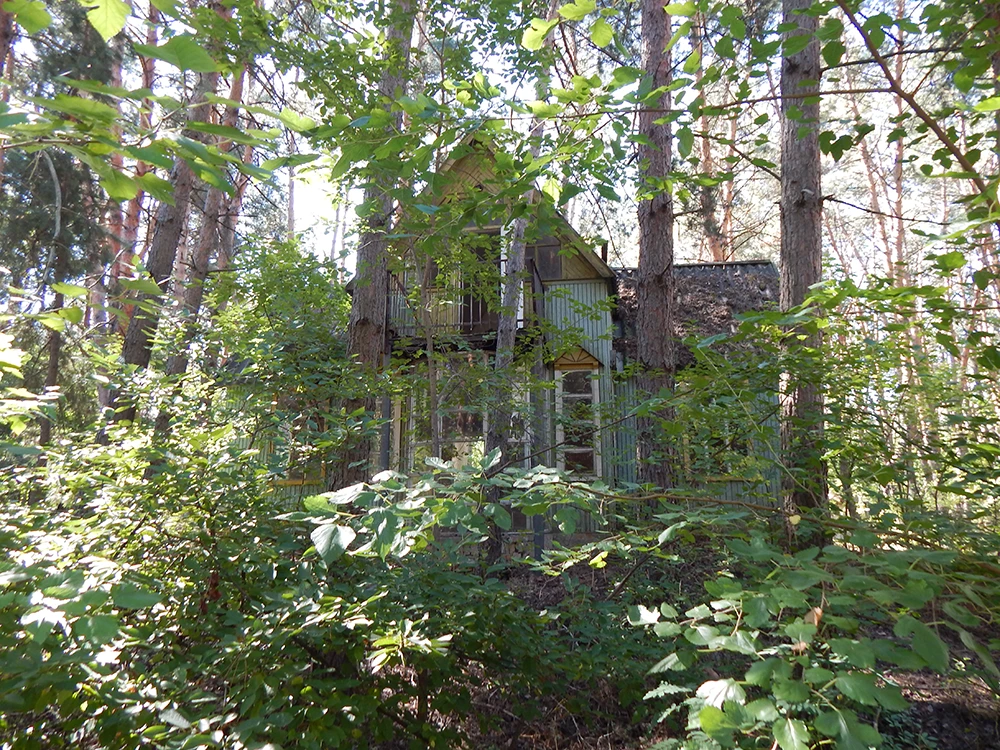
Abandoned pioneer camp in the village of Obukhovka
This abandoned pioneer camp is located in the urban-type settlement of Obukhovka, among coniferous forests not far from the banks of the Orel River. Other pioneer camps, such as Dnipro, Lesnaya Pesnya, Zorya, and Berezka, all of which were created by industrial enterprises in the city of Dnipro.
According to a security guard at a neighboring complex, this camp was once owned by the Dnipropetrovsk (Dnipro) enterprise Dnipropolymermash and served as a summer recreation center for employees’ children.
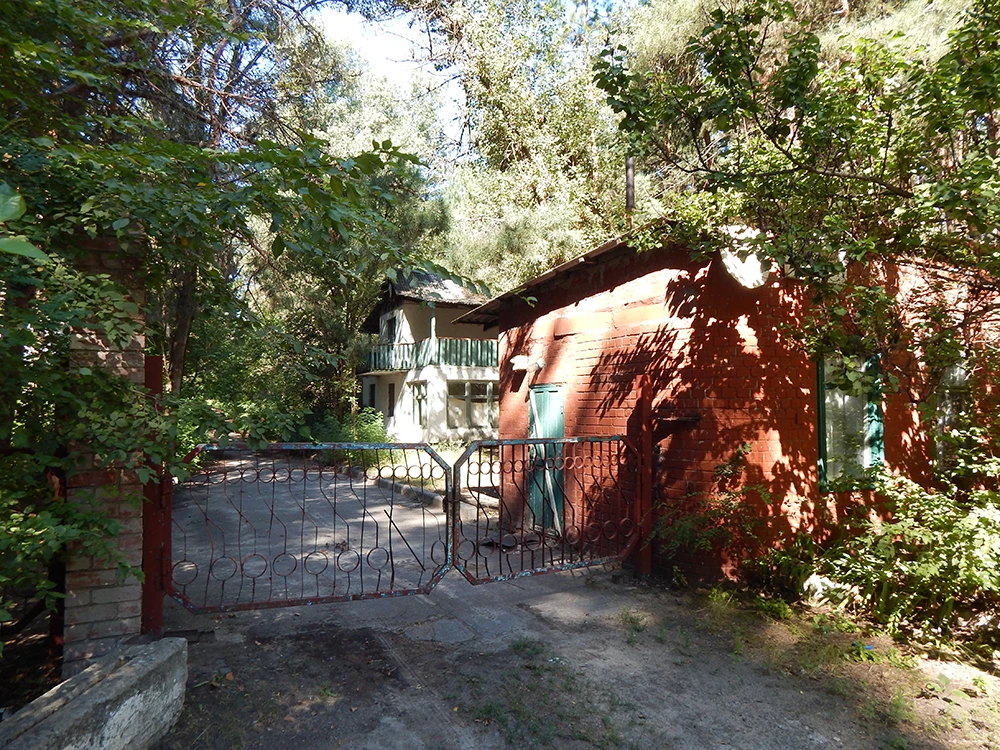
Main entrance to the children's camp
The main entrance to the children's camp, photo from the other side
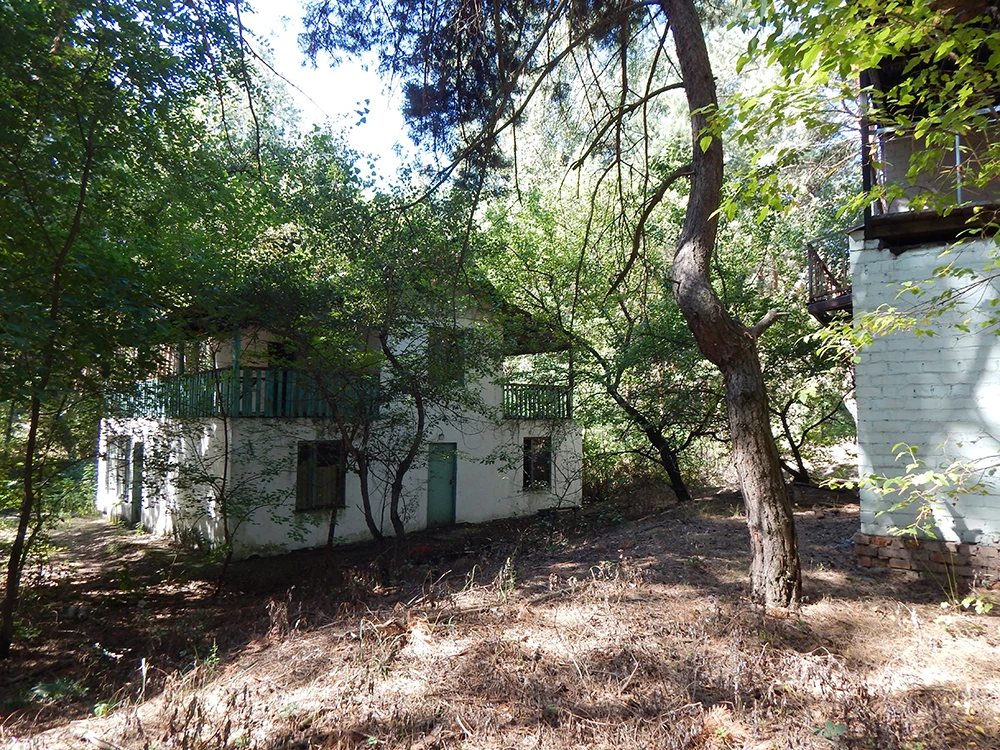
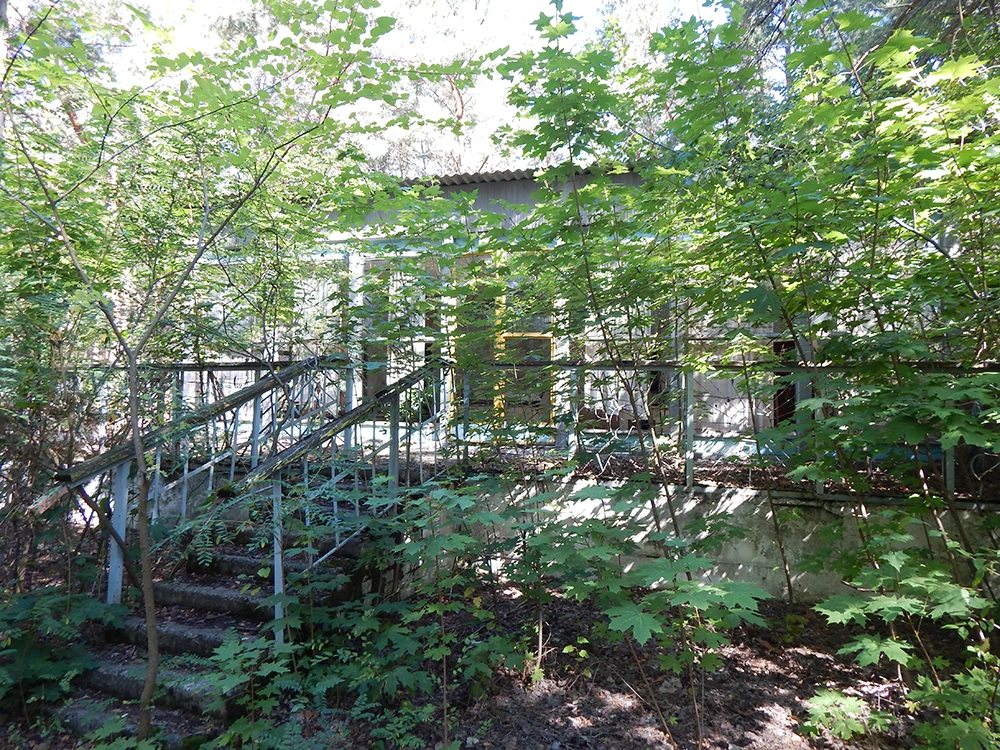
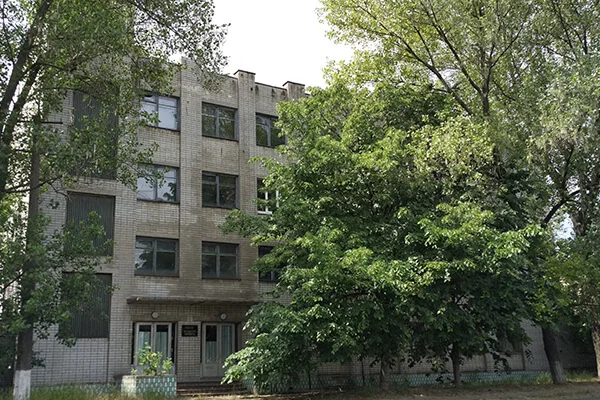
Two-story residential complex
Two-story house with a beautiful living room
The camp turned out to be quite large and diverse in terms of its buildings. In addition to the dining hall, there was a store, a building resembling a community center, a washroom, a sports field (now completely overgrown), and its own water tower—an optional feature of such departmental complexes.
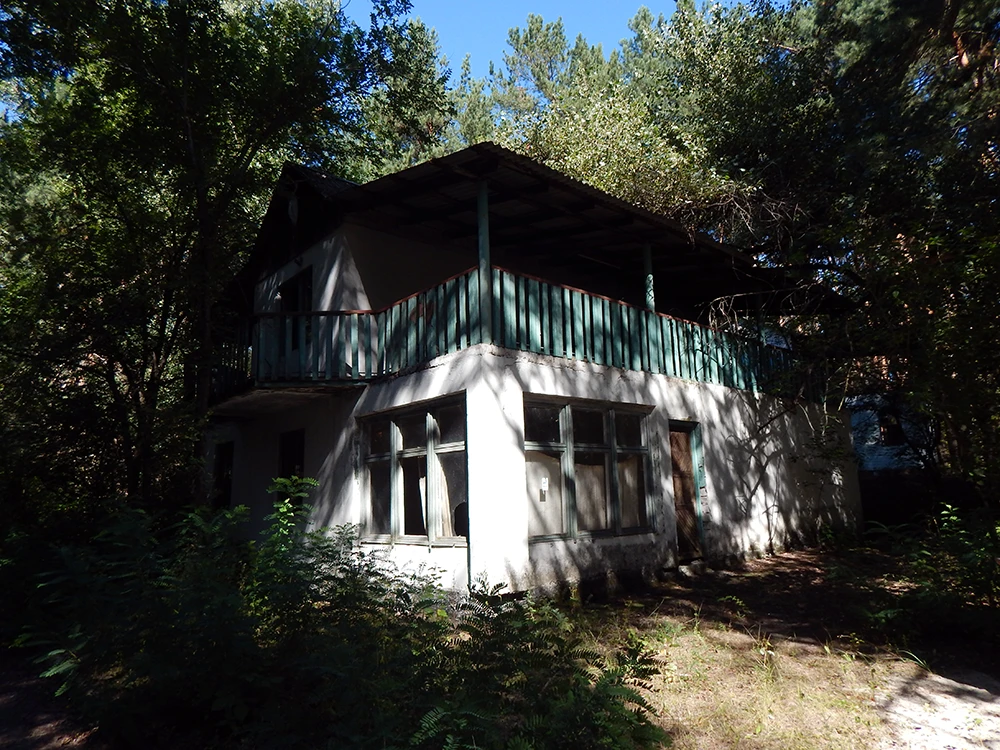
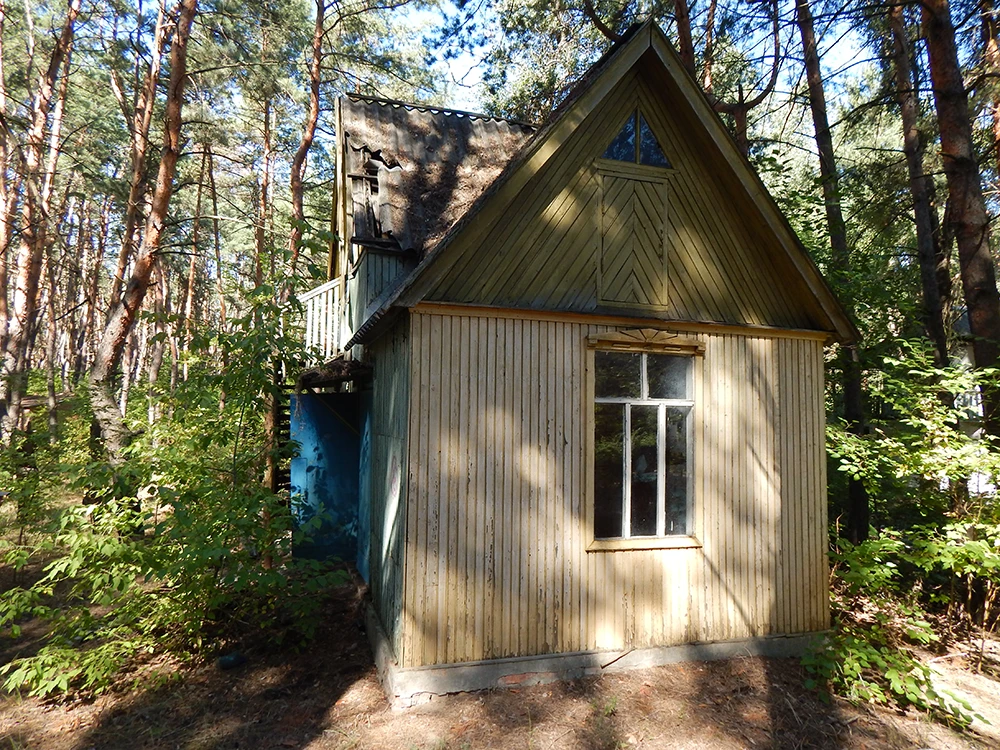
Dozens of houses are scattered throughout the territory among the pine trees: one-story houses for several people or a group, two-story buildings with four or more separate rooms, and separate “VIP” houses, as in the photo “House with a beautiful living room.” The layout is varied, but in general, everything is subject to the simple and functional logic of the Soviet era.
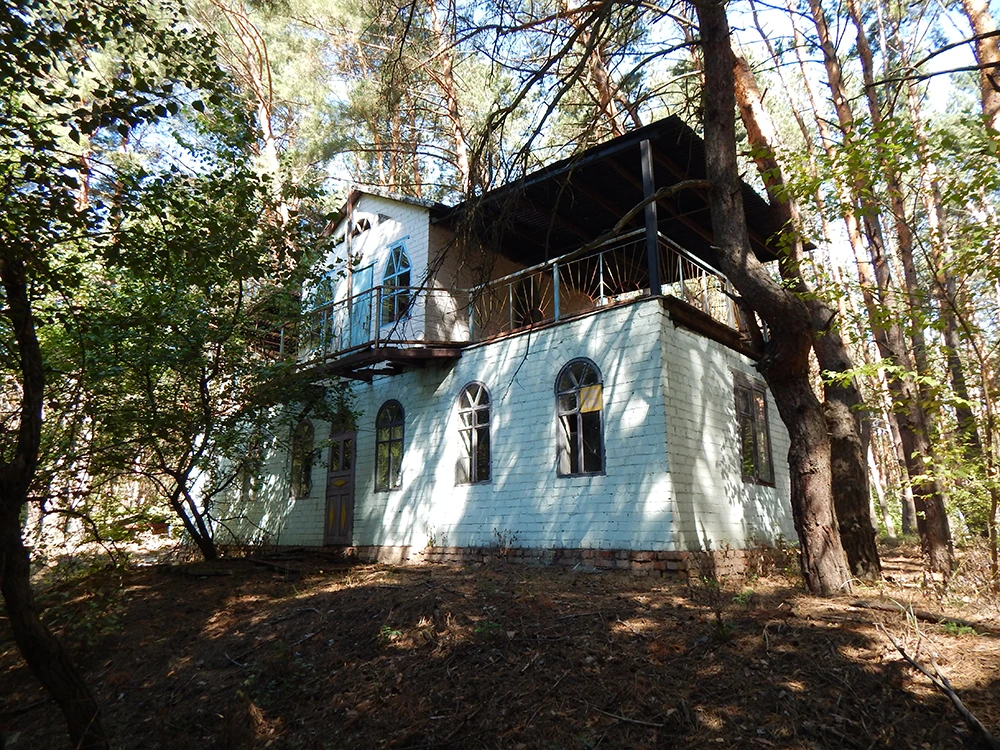
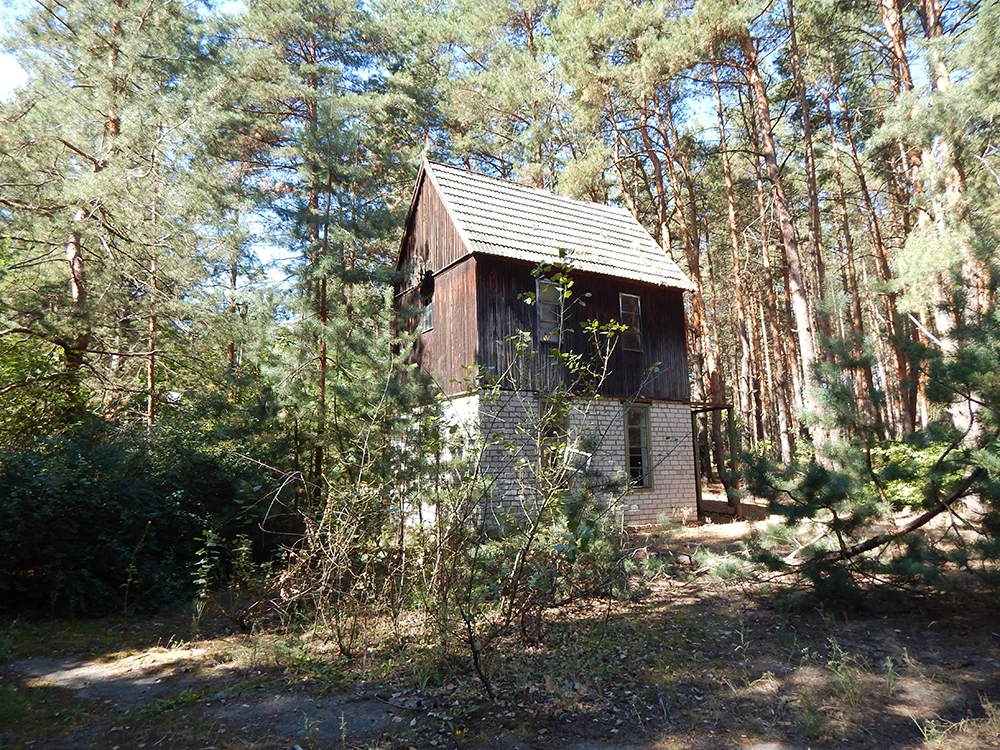
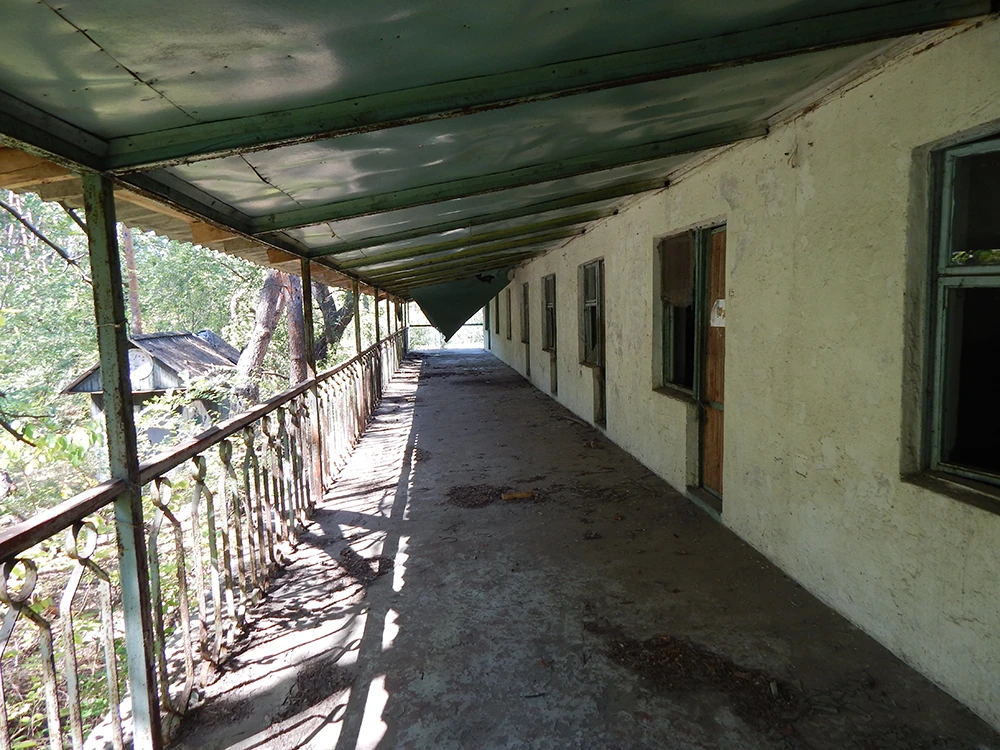
Two-story house
Two-story house with balconies
One of the camp houses
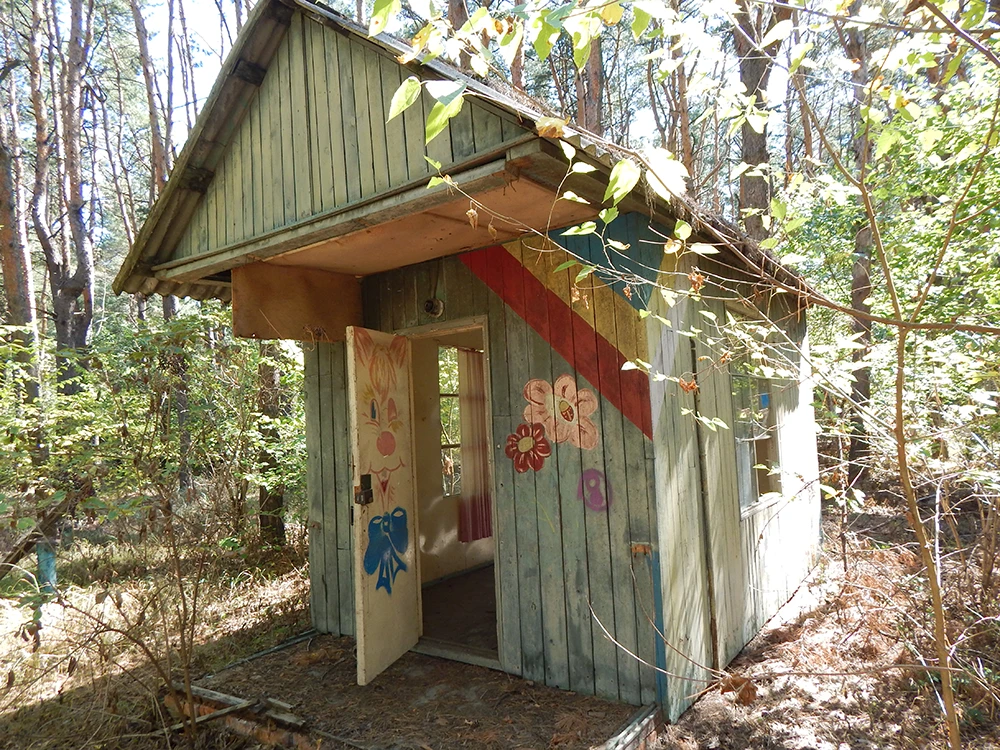
Single-celled house
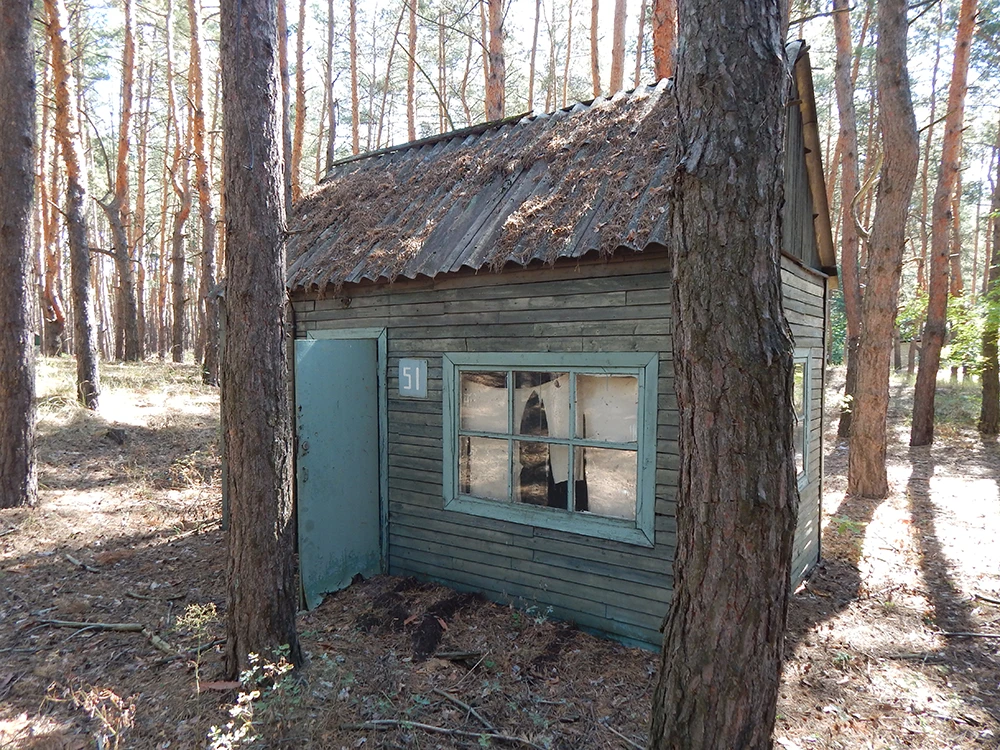
Cottage 51
Cottage 8
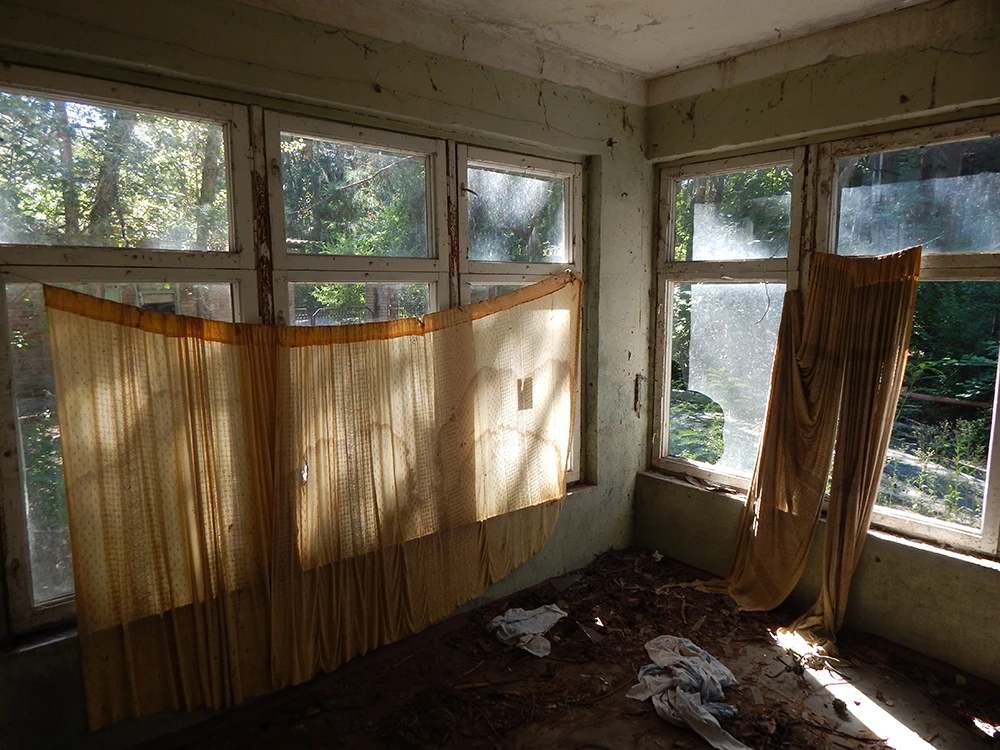
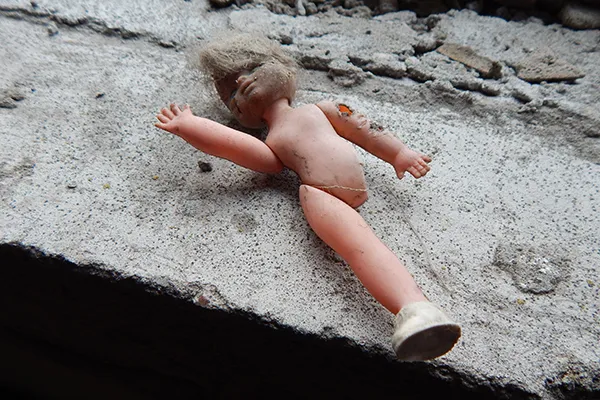
Despite its desolation, the camp cannot be called completely destroyed. Time, of course, takes its toll: the wood is rotting in places, the paint is peeling, the windows are broken, and the interior is in complete disarray. But it feels like the buildings were not deliberately vandalized—they were not burned or completely dismantled.
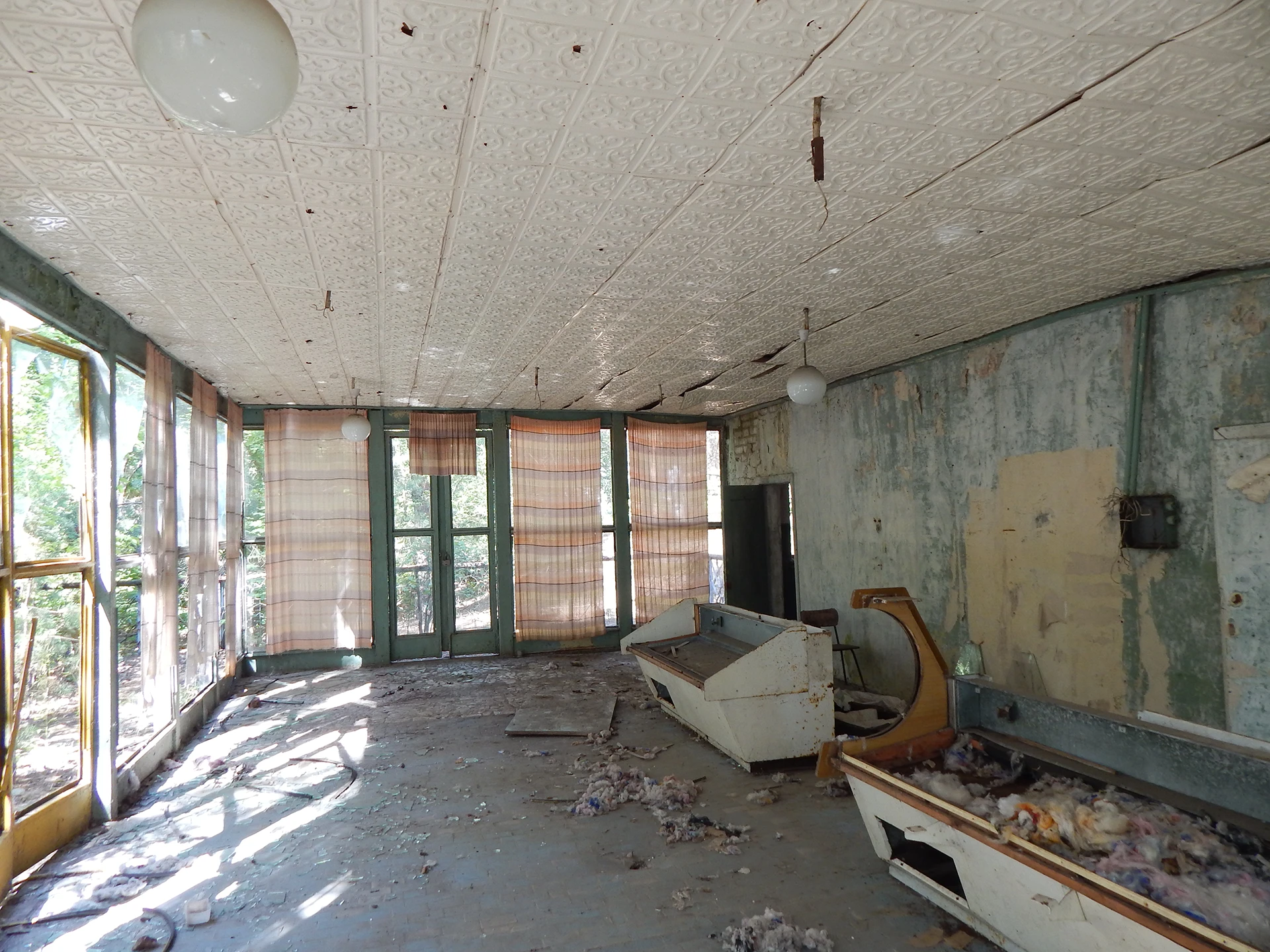
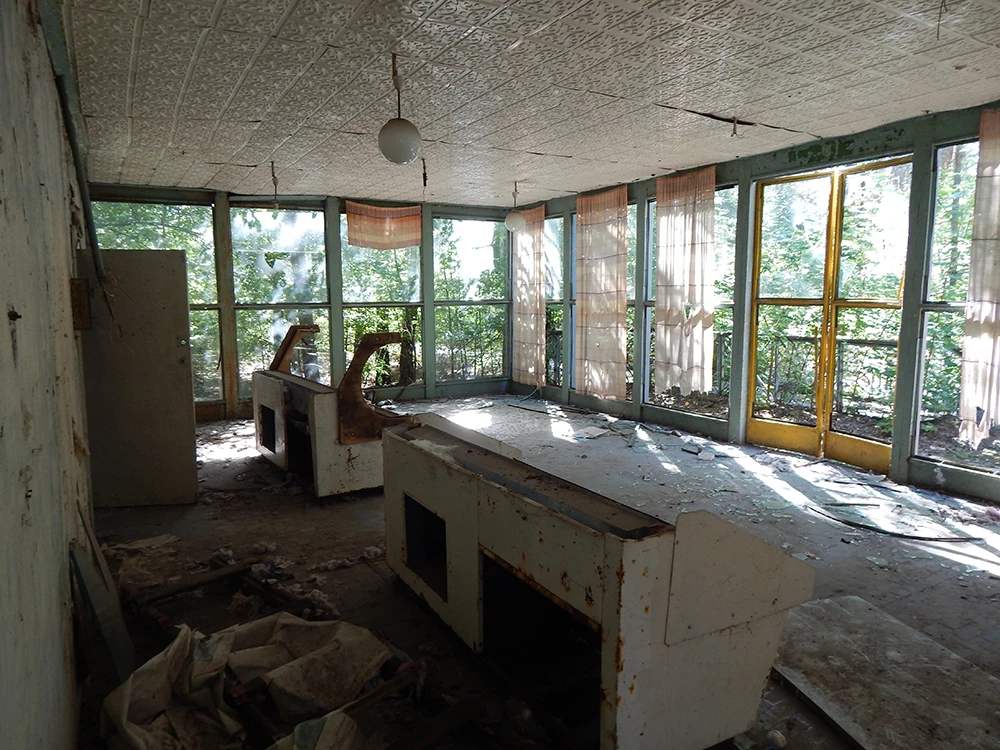
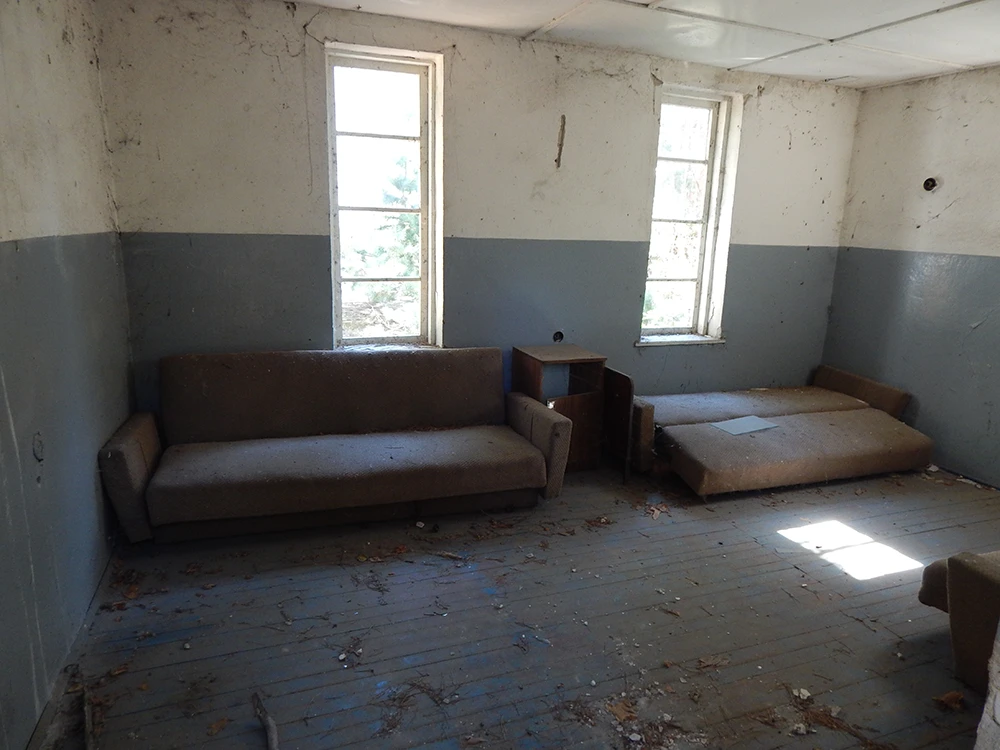
Many of the houses are still in pretty good shape. Inside, you can still see writing on the walls, bits of posters, furniture, beds, and even striped curtains. The store looks especially atmospheric (photo in the header).
The main feeling this place evokes is nostalgia. It is not just an abandoned area, but a frozen fragment of an era. Soviet life and typical camp architecture are clearly visible in the details. Therefore, walking around the area did not cause anxiety, but rather a calm, slightly nostalgic feeling. As a child, I vacationed at a similar camp, and even later, such bases continued to operate — some of them are still functioning today, being rented out.
Camp store
Entrance to the store from the main street
Inside one of the houses
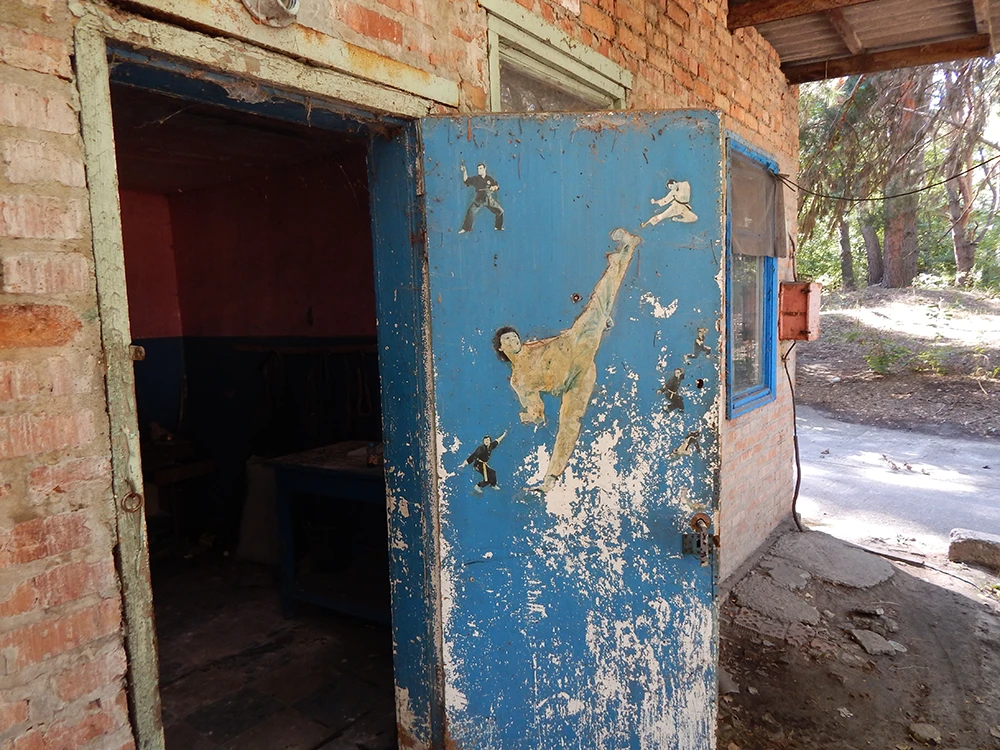
Karateka
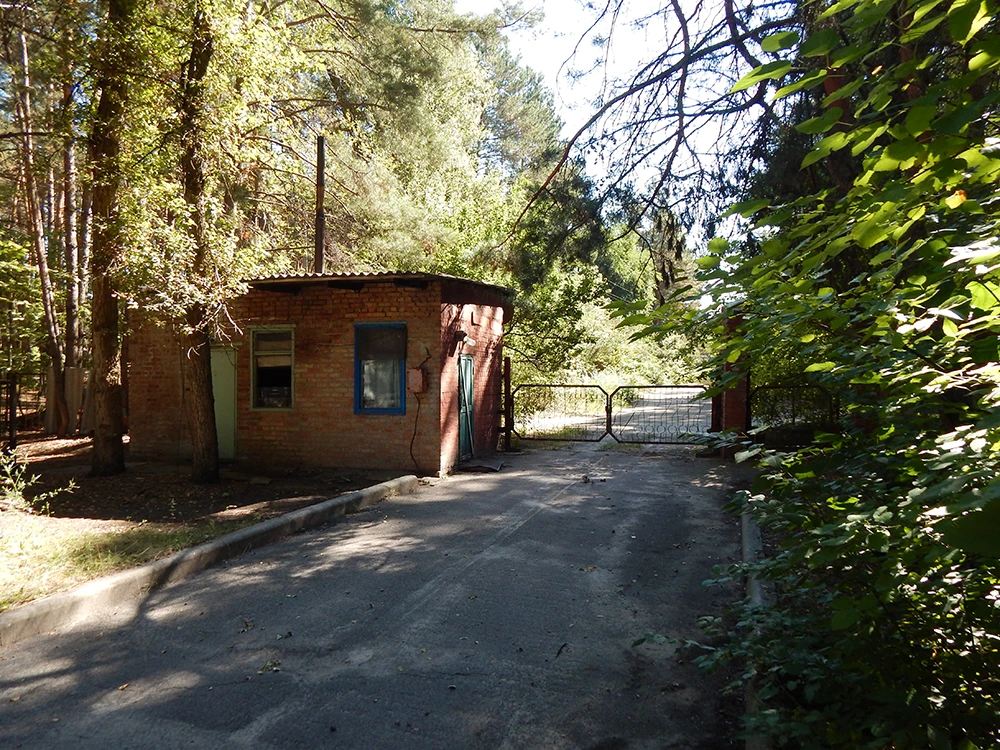
Security hut
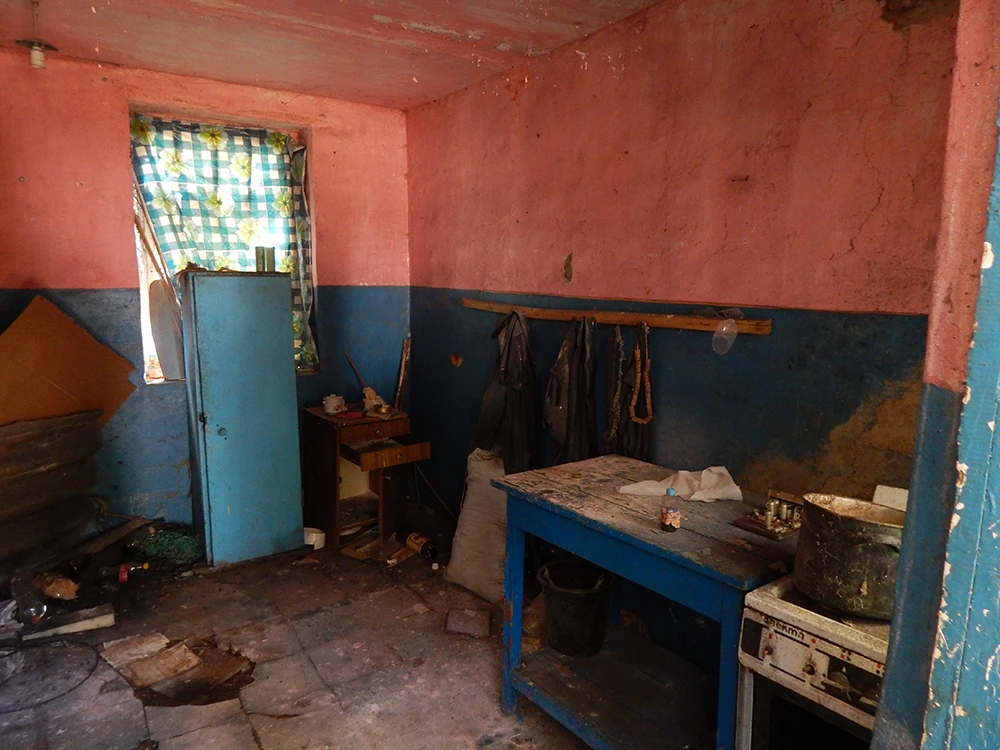
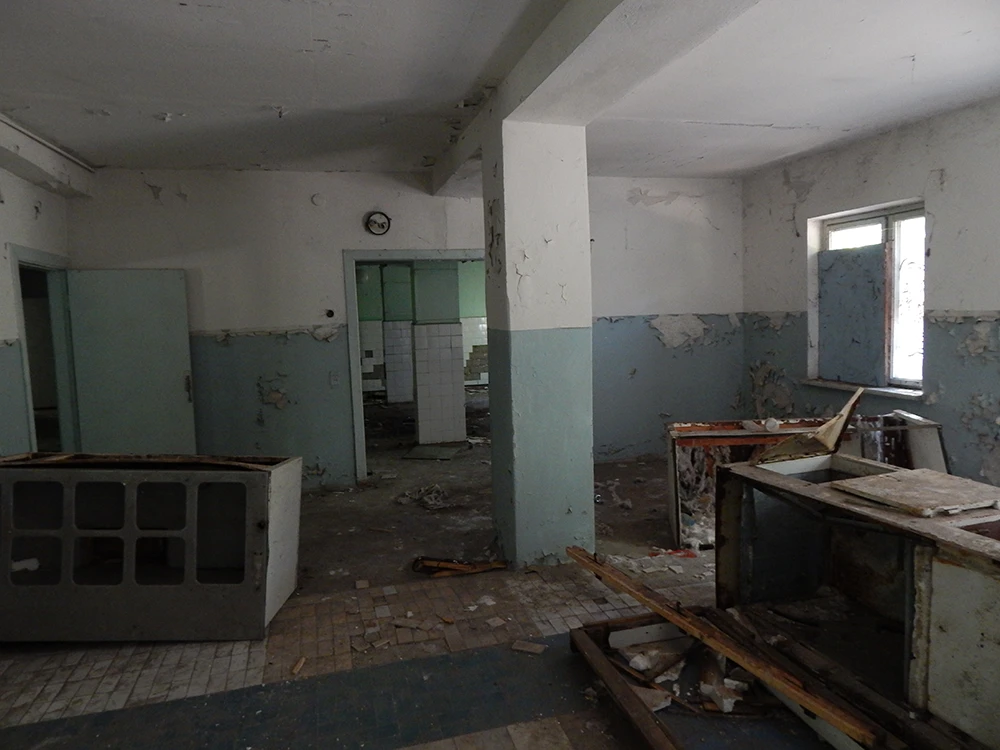
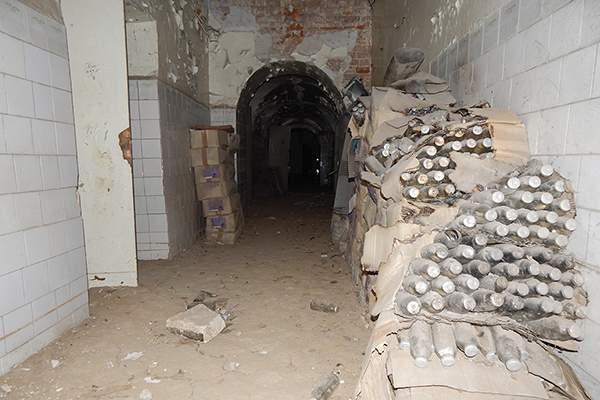
Dining room kitchen
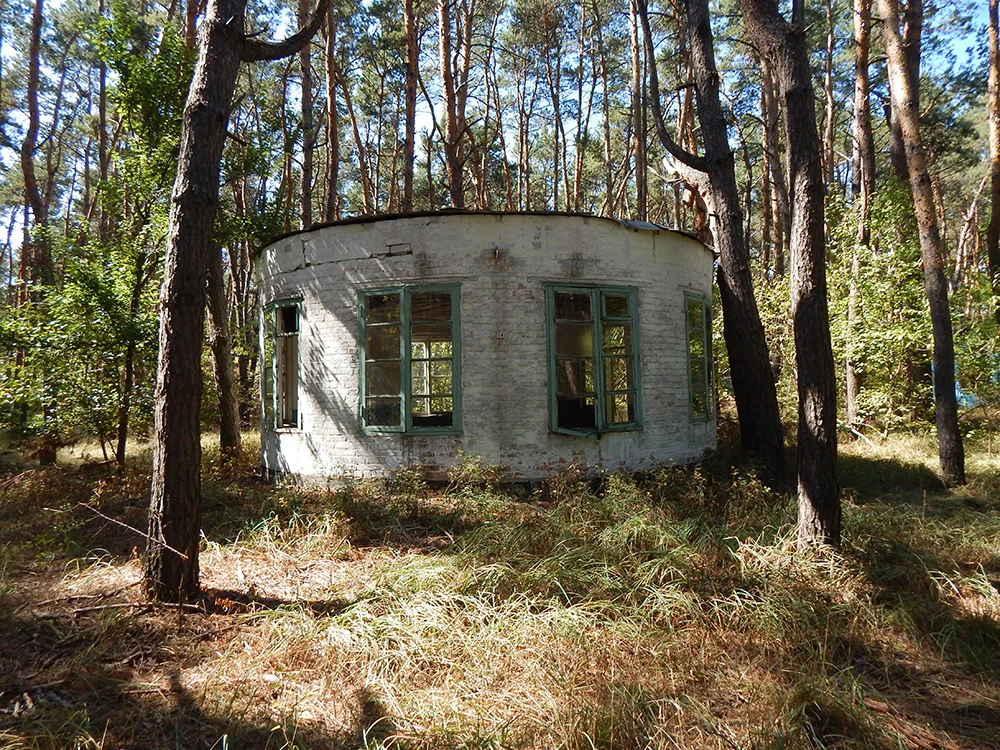
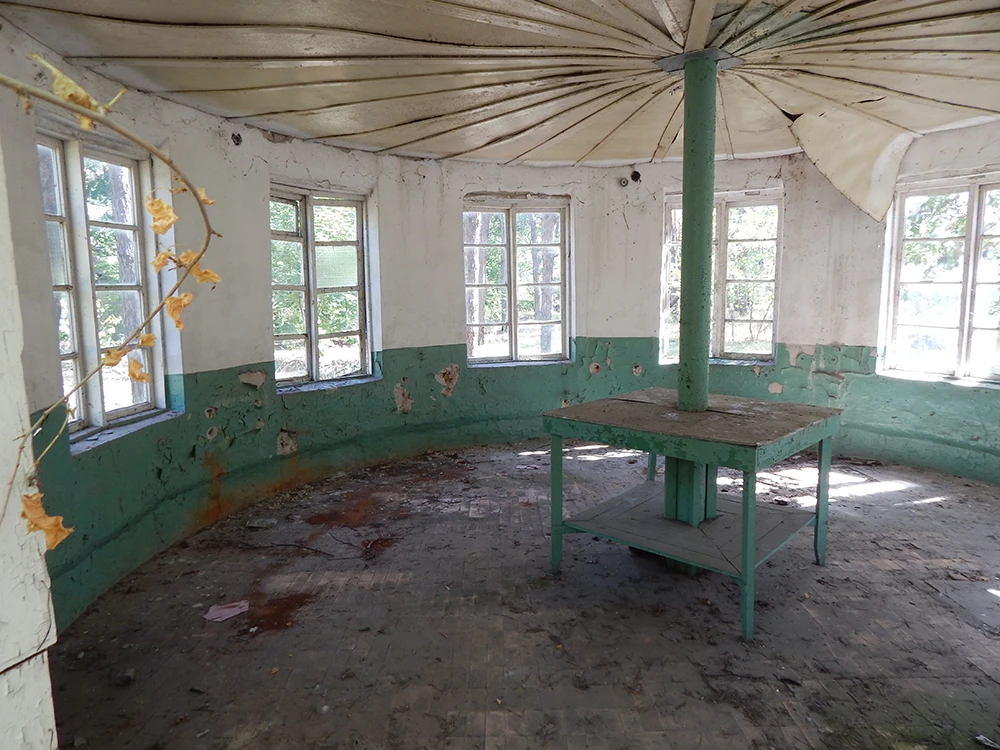
In general, the camp was not much different from other departmental bases of that time, but it was memorable for several details: an unusual round washroom with sinks arranged in a circle, and in the center, apparently, there was a common table (now the room is completely empty), as well as houses of combined construction — with one part made of brick and the other of wood, which looked quite unusual against the backdrop of standard camp buildings.