How steel is made: a tour of the Interpipe Steel plant in Dnipro
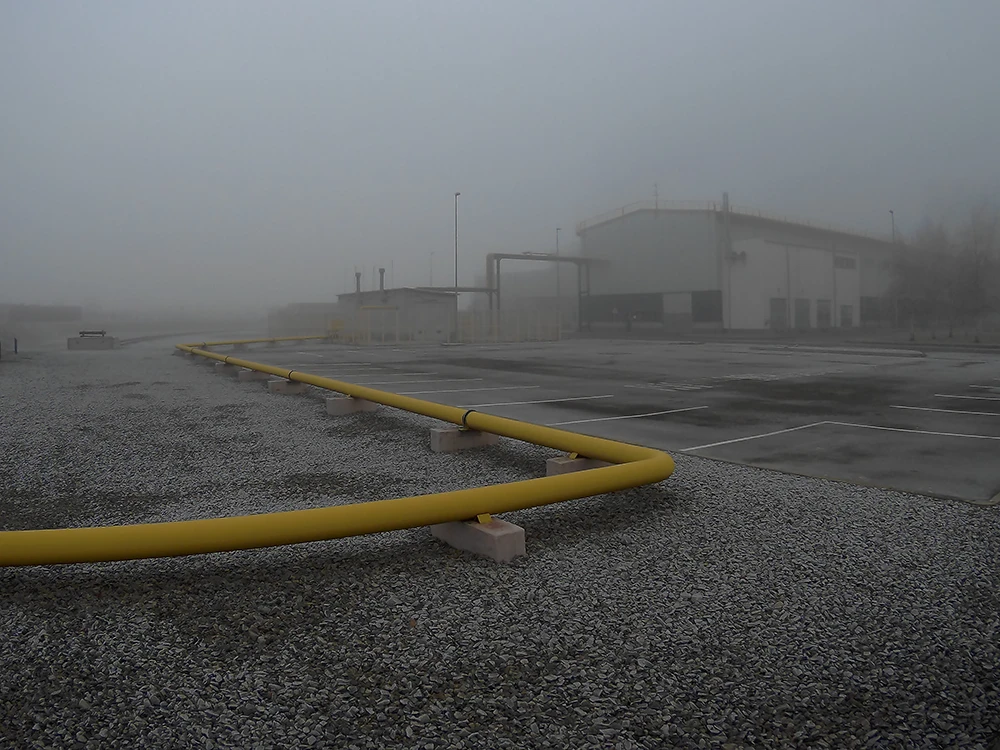
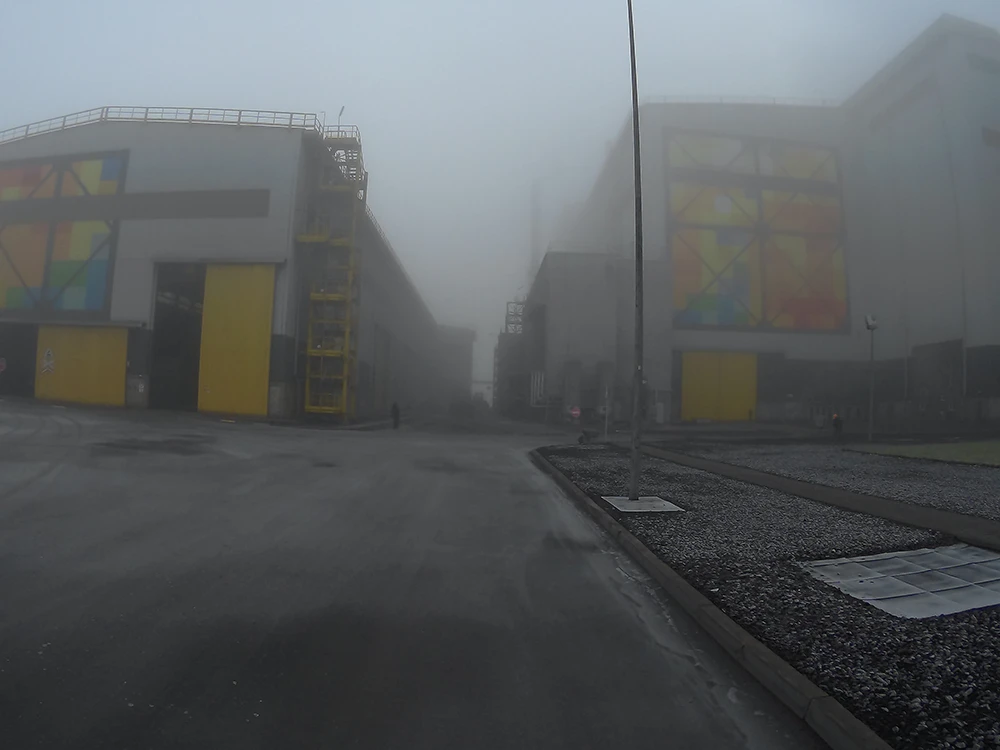
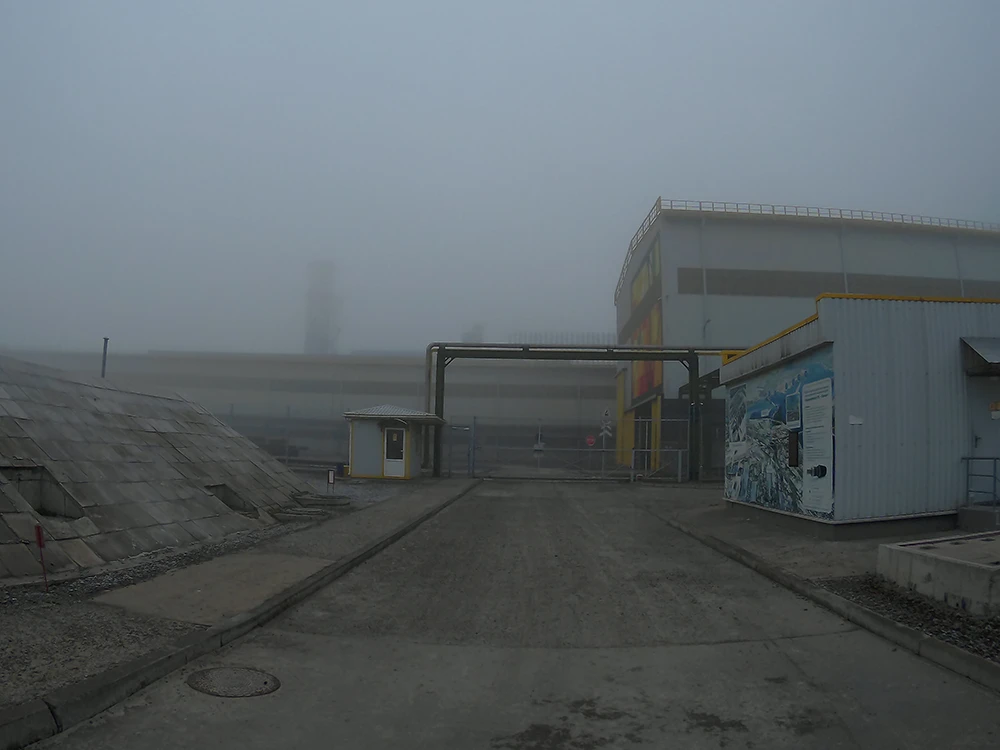
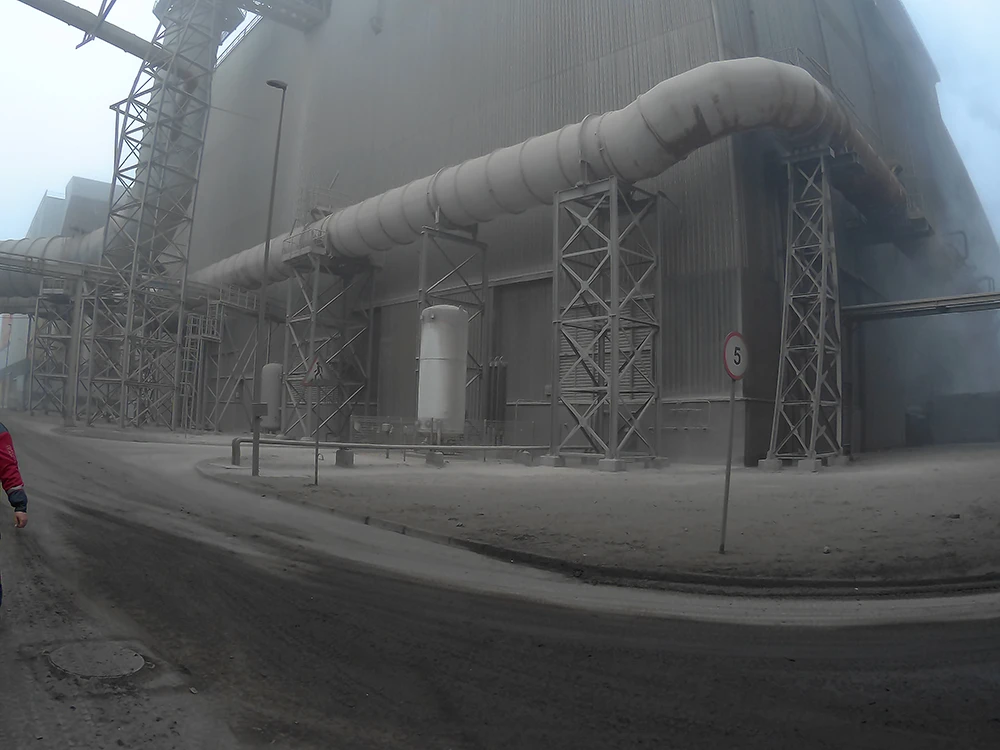
The tour of the Interpipe metallurgical plant in Dnipro begins on the way to the enterprise. Approaching the industrial zone, you can see the silhouettes of large workshops and plant infrastructure from afar. Even in foggy weather, it is clear that this is a large-scale production facility. This is where the Interpipe Steel plant is located — one of the company’s key assets, built in independent Ukraine. This enterprise is considered the first large metallurgical plant in the country to be built entirely from scratch after 1991.
The plant specializes in the production of round steel billets. It houses one of the largest electric steel melting complexes in Eastern Europe. The plant’s production capacity is approximately 1.3 million tons of steel per year. The technological process is based on the remelting of scrap metal with the addition of various alloying components, which allows steel with specified characteristics to be obtained.
Scrap metal is the main raw material used in production. Bulk materials and various metal components, including aluminum and ferroalloys, are added to it. Together, these elements form the chemical composition of the future steel. At the same time, metallurgical production remains extremely energy-intensive: the main resources consumed here are electricity, natural gas, process gases, and water.
Part of the gas infrastructure is located directly on the company’s premises. A separate complex belonging to Linde plc operates here, supplying industrial gases such as oxygen, argon, and nitrogen. These gases are used at various stages of metal smelting and processing. Another important part of the system is the gas cleaning unit. It is designed to capture dust and clean exhaust gases, which significantly reduces the environmental impact of production.
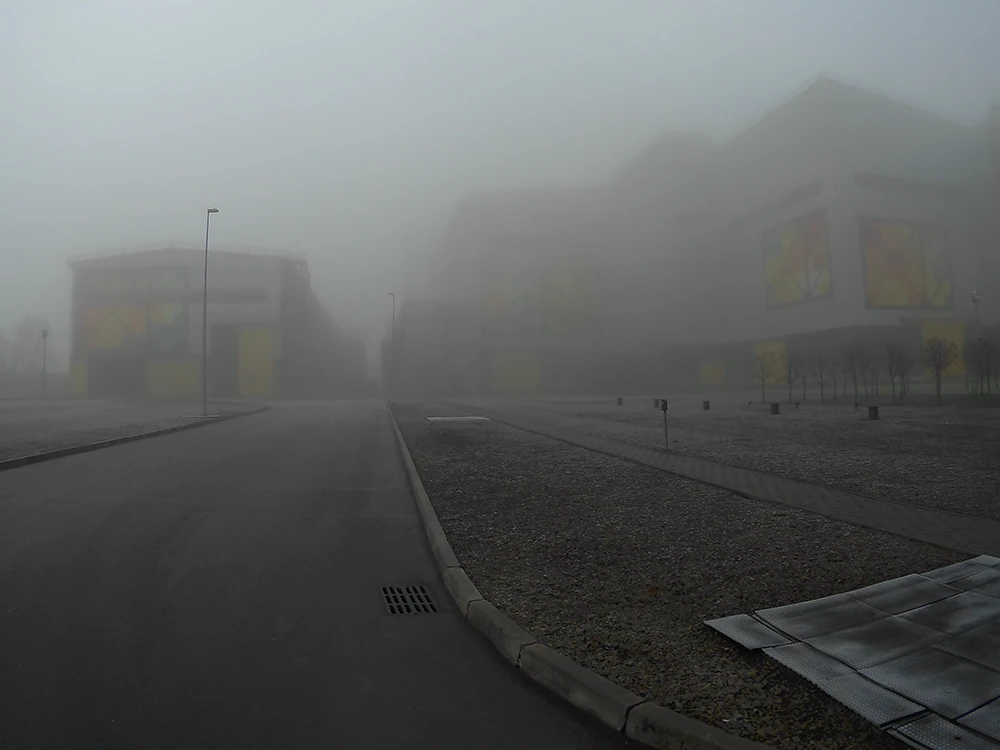
Interpipe territory
Main entrance to the facility
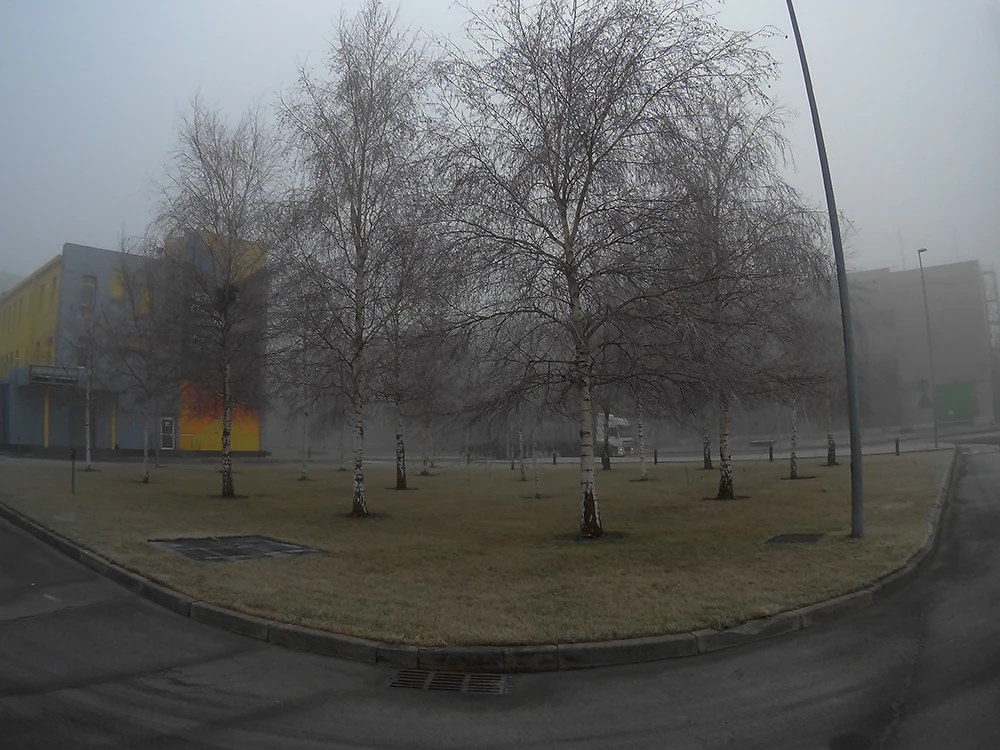
Birch grove on the factory grounds
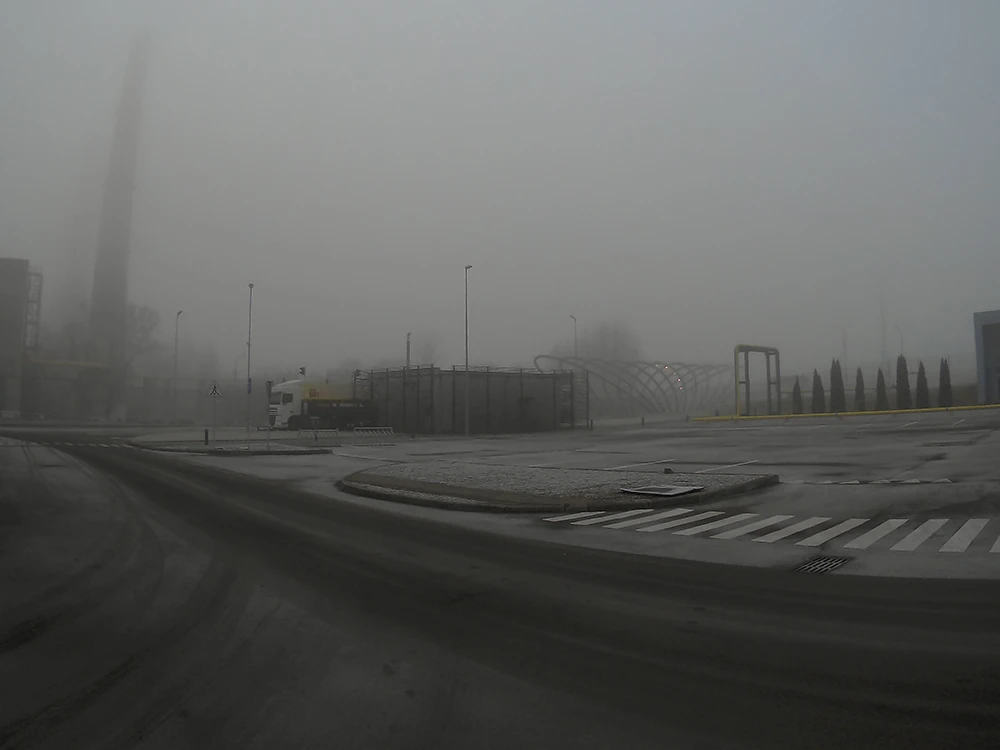
On the factory premises
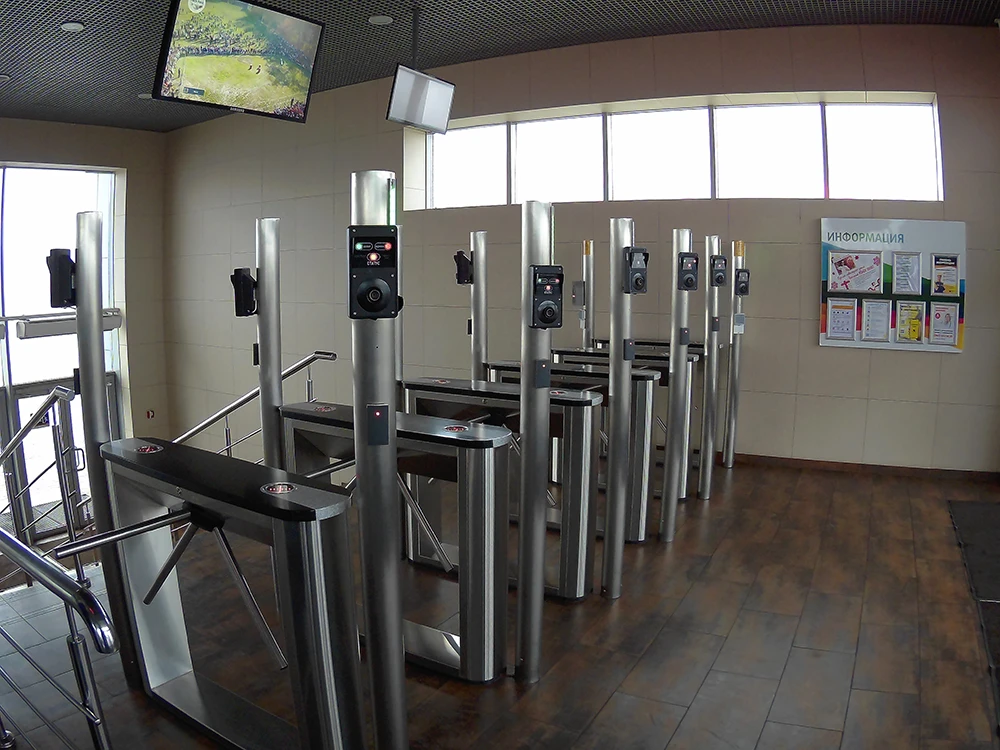
The tour of the territory begins at the checkpoint
Plant employees undergo a screening process that includes a pass check and a breathalyzer test. Before starting their shift, employees scan their access card and undergo a breath test. If the device detects alcohol, the employee is sent for additional medical examination. If the violation is confirmed, the employee is not allowed to work and disciplinary measures are applied. If the violation is confirmed, a fine is issued, and a repeat violation results in dismissal.
The plant itself was built on a vacant lot. This made it possible to design the facility from the outset with modern technological requirements and logistics in mind. New solutions in energy, ecology, and production flow organization were used in the construction. In addition, when creating the complex, it was decided to complement the industrial environment with elements of modern art. To this end, Danish-Icelandic artist Olafur Eliasson was invited to develop several art objects for the factory grounds.
The first of these is the installation “Time Tunnel.” According to the author’s concept, it symbolizes the connection between the experience of previous generations of metallurgists and modern steel production technologies. The object is located in such a way that visitors pass through it during the tour. Visually, it creates the effect of movement through space, connecting the past and present of metallurgy.
Nearby is another artistic element—a large image on the wall of the production building. At first glance, it appears to be an abstract drawing, but in fact, it is a greatly enlarged photograph of a red-hot steel blank. The photograph was taken at the moment when the metal leaves the production line in a heated state, after which the image was enlarged to the scale of the facade. The result is a high-quality spectral photograph of the metal structure.
Plant's tax office
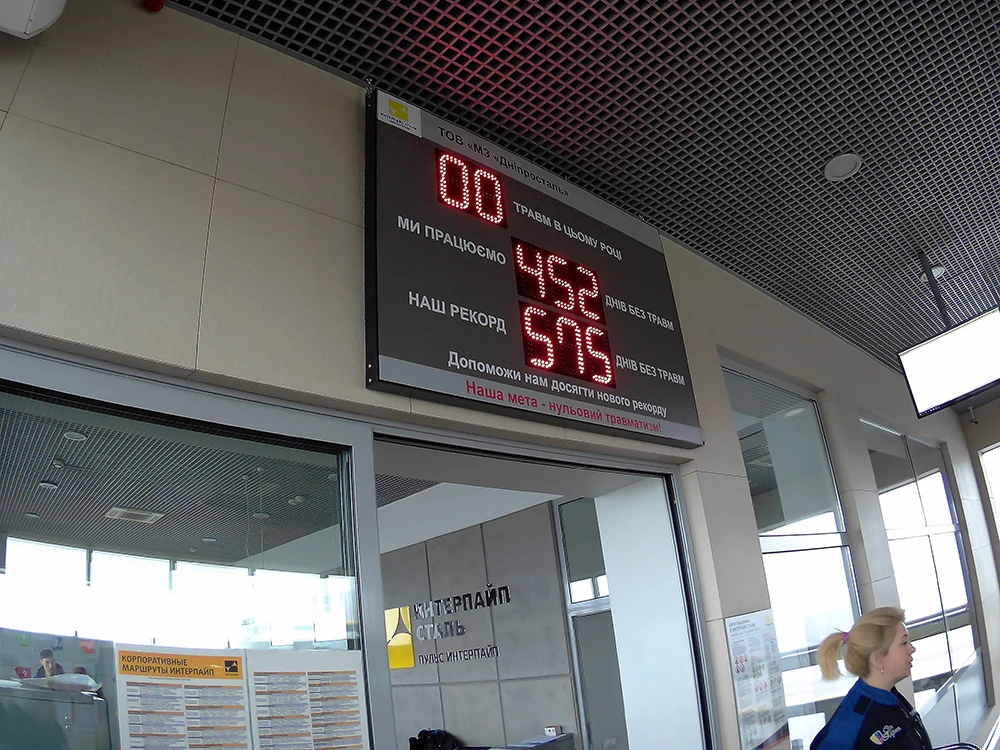
Dniprostal LLC
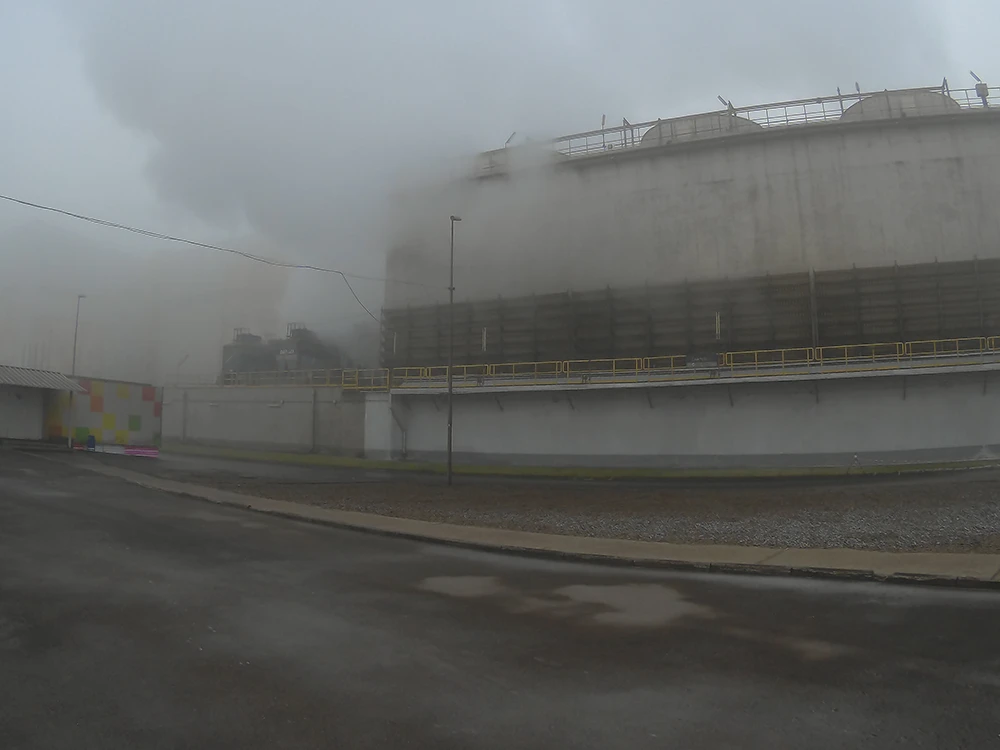
Cooling towers of the plant
Factory workshops
Power supply to the enterprise
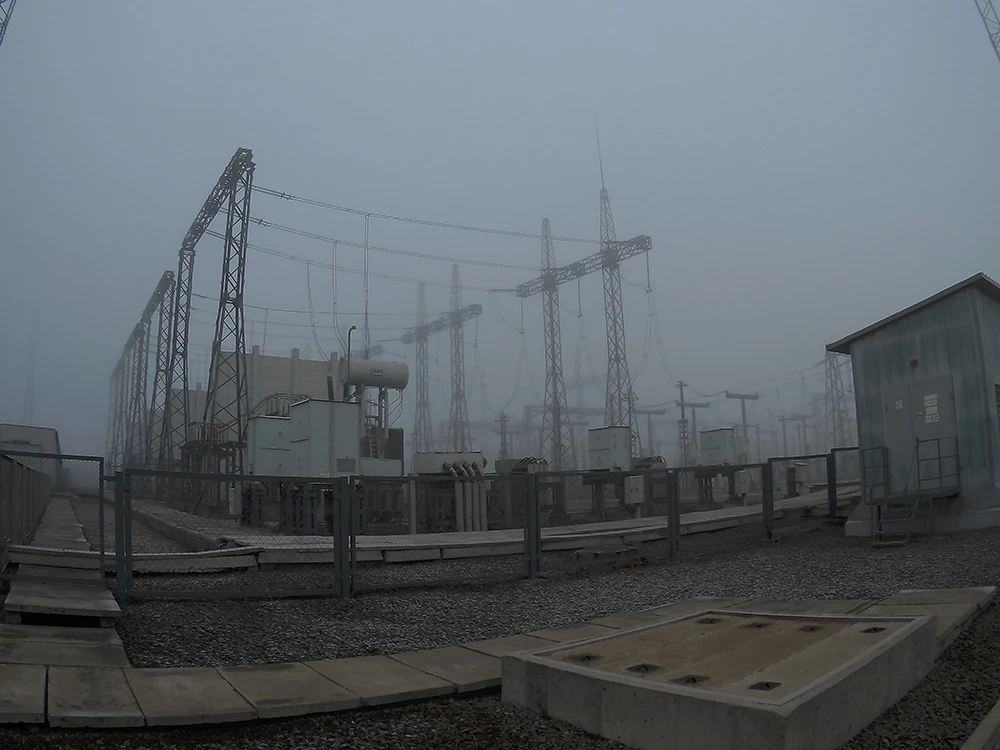
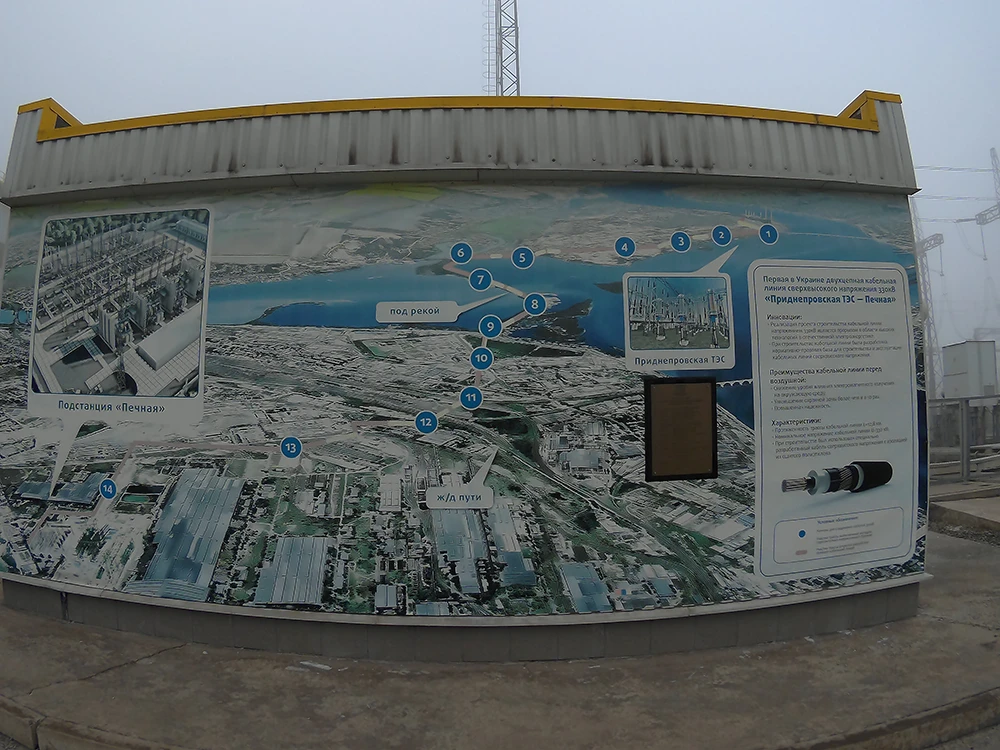
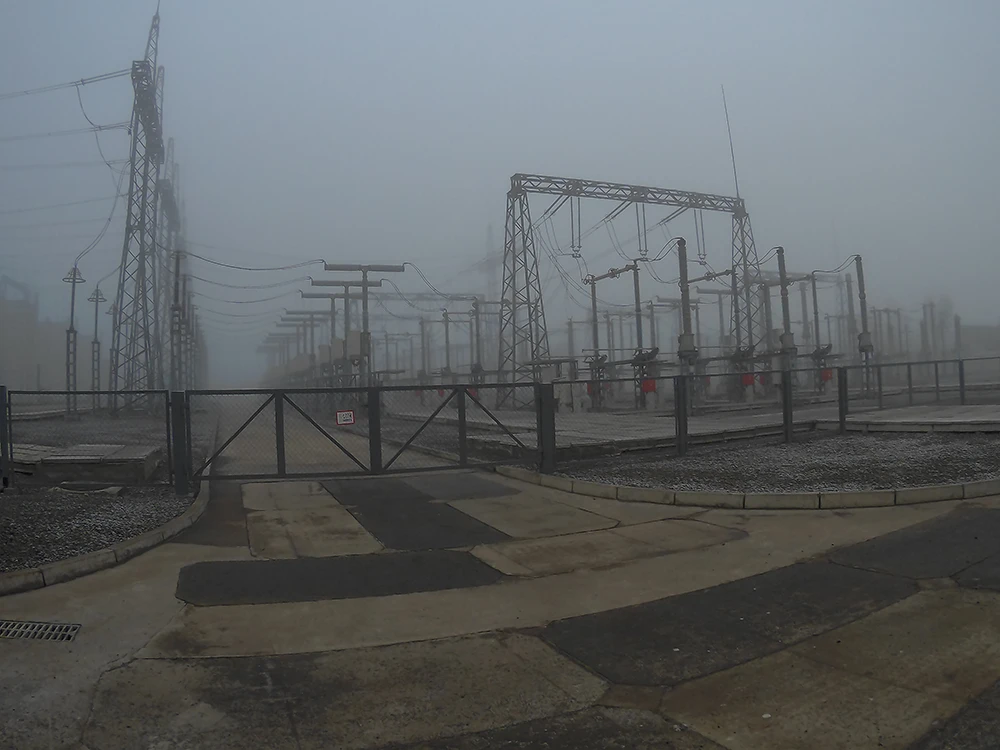
After that, the tour route goes to the plant’s energy infrastructure. One of the key facilities is the Pechnaya substation. It receives electricity with a voltage of 330 kilovolts. Electricity is transmitted via a cable line from the Pridneprovskaya Thermal Power Plant and then distributed to the plant’s equipment.
However, one power plant is not enough to support such production. Even if the plant operated exclusively for the needs of the factory, its capacity would still be insufficient. Therefore, the enterprise is connected directly to the country’s general power grid. At the substation, high voltage is converted to lower levels — 150 and 35 kilovolts. The former is used to power the main metallurgical equipment, while the latter is used for auxiliary mechanisms, including cranes and technological installations.
The cable laying line itself is also interesting. Horizontal drilling was used in certain sections. Special equipment dug a tunnel at depth, after which the cable was pulled through it. Maintenance wells are located along the route, through which specialists can check the condition of the line and carry out repairs. In some places, the cable is buried at a depth of up to sixteen meters.
The cross-section of the cable itself is also impressive. Its aluminum conductive core has a diameter of about 88 millimeters, and it is surrounded by several layers of insulation and protective sheathing. Compared to conventional household wires, the scale of the design looks much more impressive.
Interpipe substation
Power supply diagram
Interpipe substation
View of the workshops
More information can be found in the company’s brochure on its official website (there is nothing confidential here) – interpipe.info 1 and interpipe.info 2.
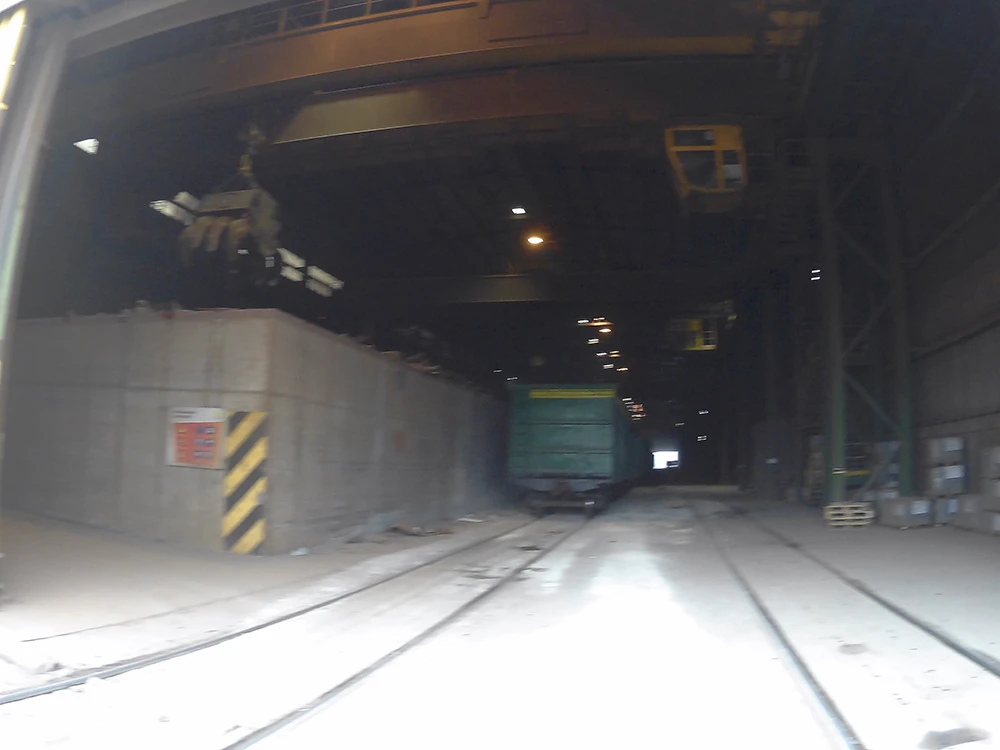
Scrap metal receiving shop
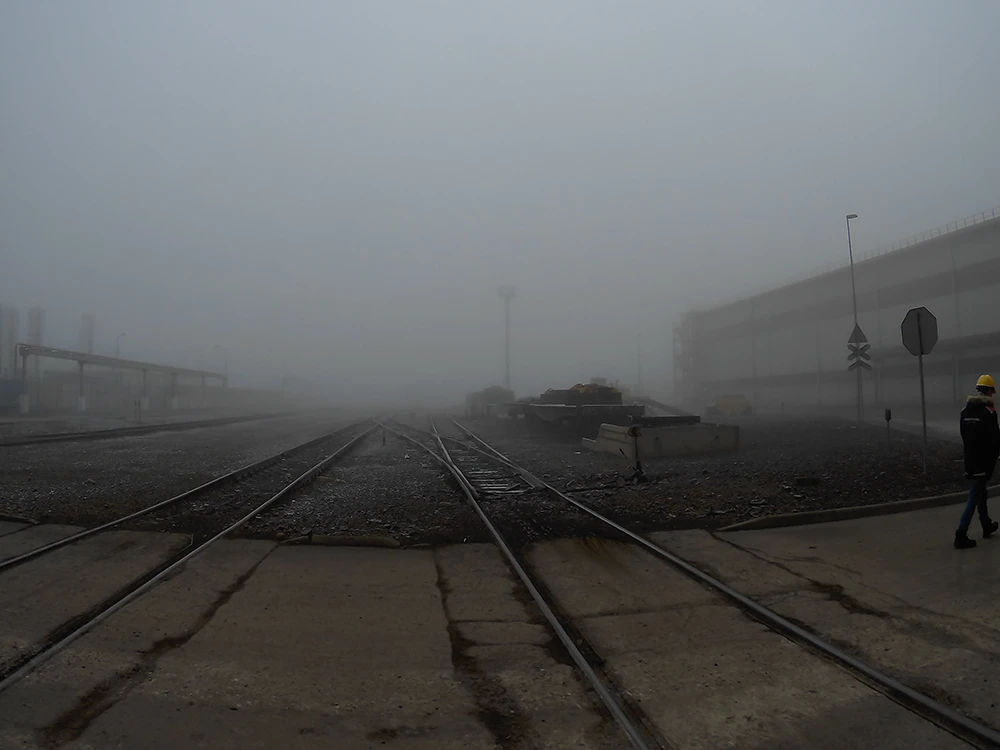
Raw materials collected throughout the country by OJSC Dnepropetrovsk Vtormet are delivered here by rail. Scrap metal is pre-sorted and cut into pieces of the required size. It is then distributed among several bunkers depending on type and density. The scrap metal stock in the warehouse is usually sufficient for about three days of continuous operation.
Nearby is a warehouse for ferroalloys and other additives. This is where the materials needed to adjust the chemical composition of steel are stored. By mixing various iron alloys with other metals, metallurgists obtain the required product grade.
Scrap metal receiving shop
Access roads
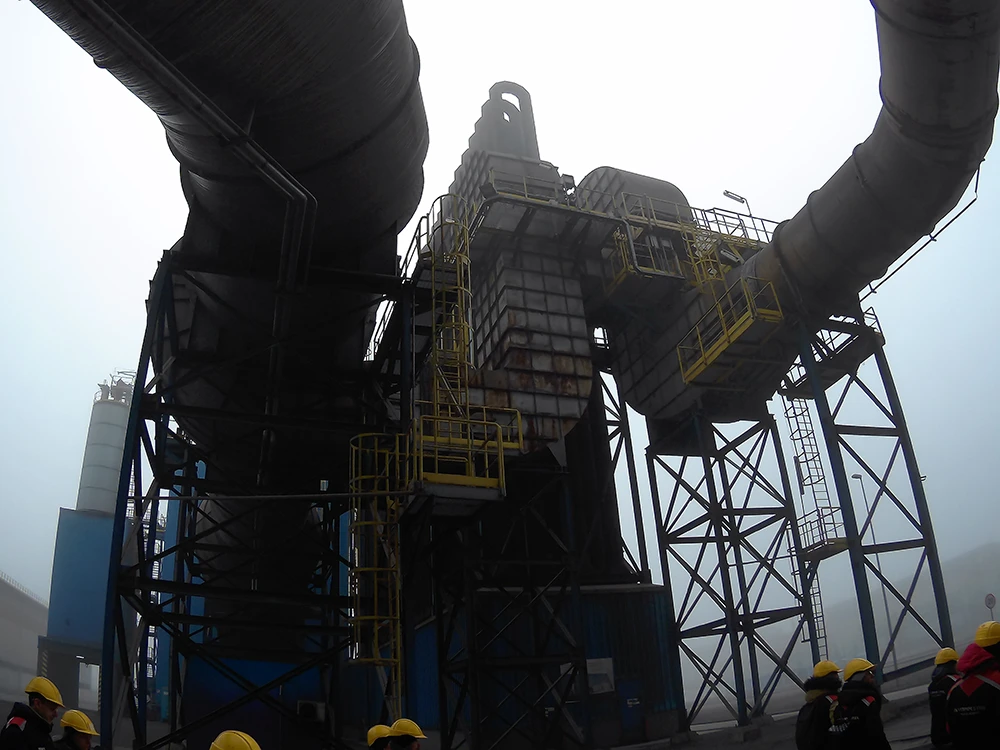
Gas purification
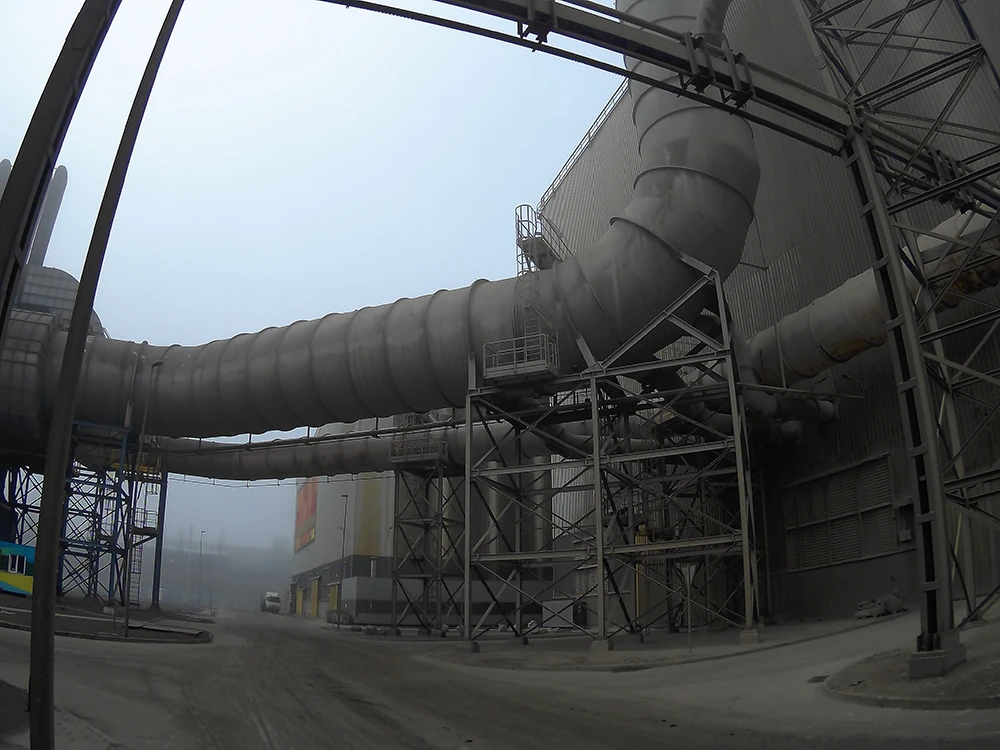
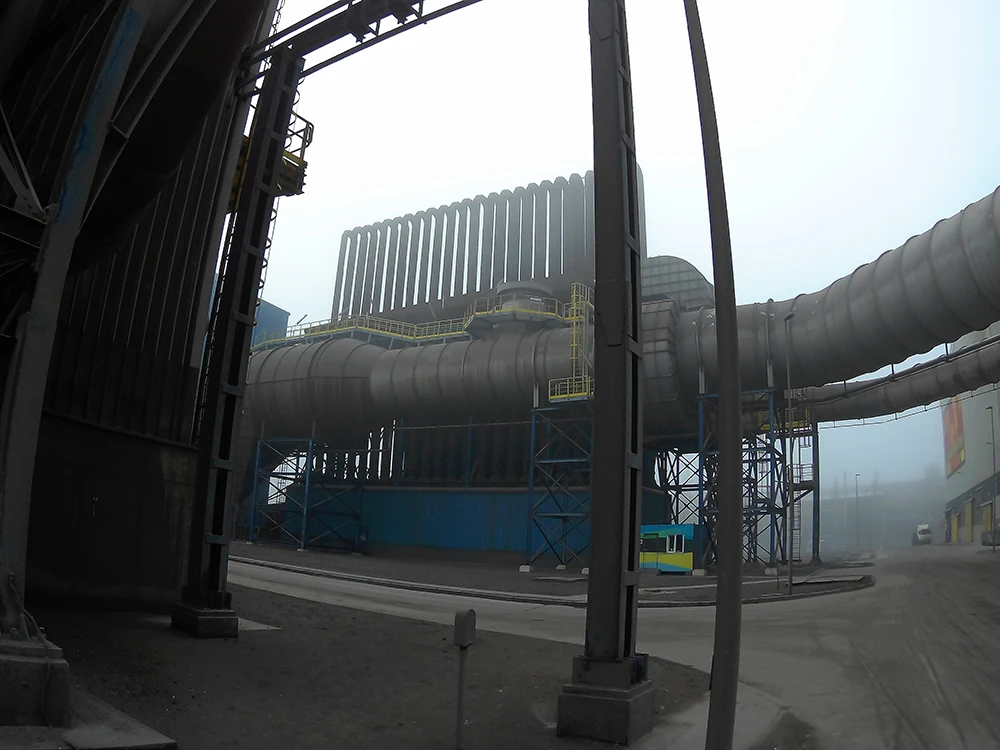
A separate section of the complex is dedicated to gas cleaning. Before cleaning, hot gases pass through a cooling system — so-called needle coolers. The flow then enters a bag filter unit, where fine dust settles on the filter elements. The collected powder is transported by conveyor to hoppers and then taken away for further processing. Several tons of such dust can be generated during a single smelting operation.
Sleeve filter
Part of a filtration system
Air ducts of the filtration unit
Gas cleaning bag filter
Melting shop
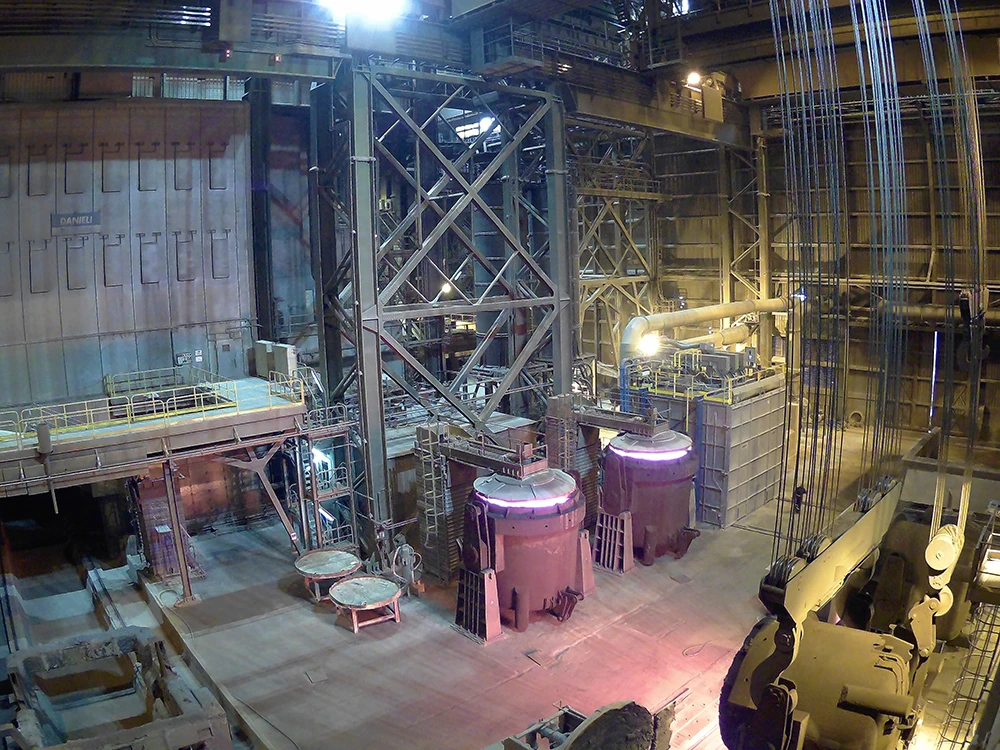
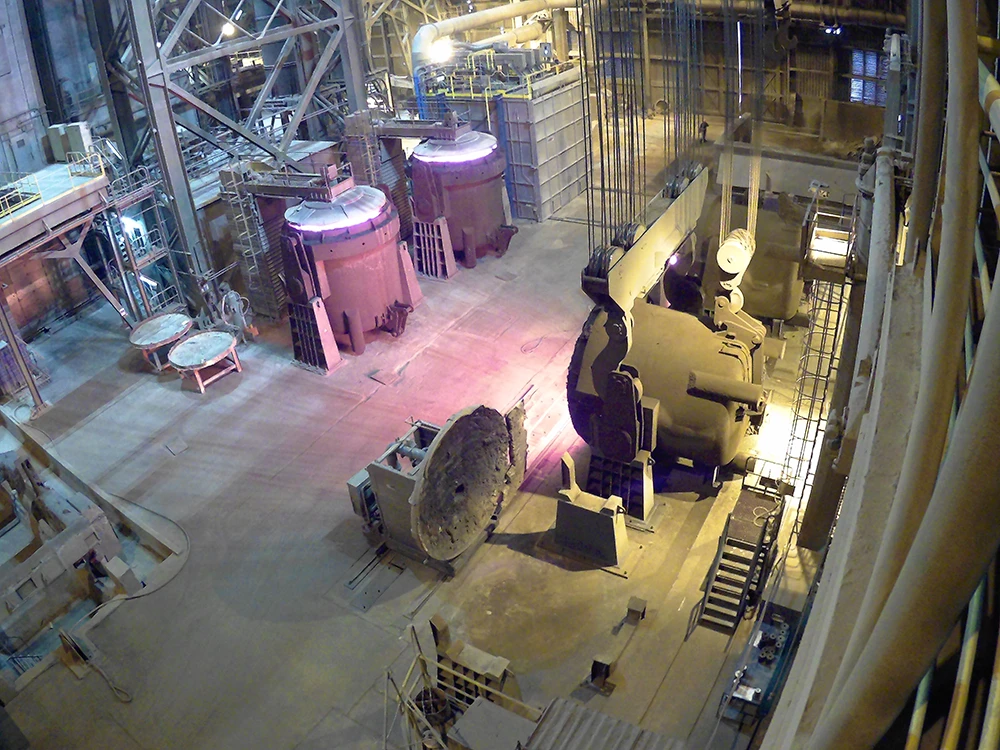
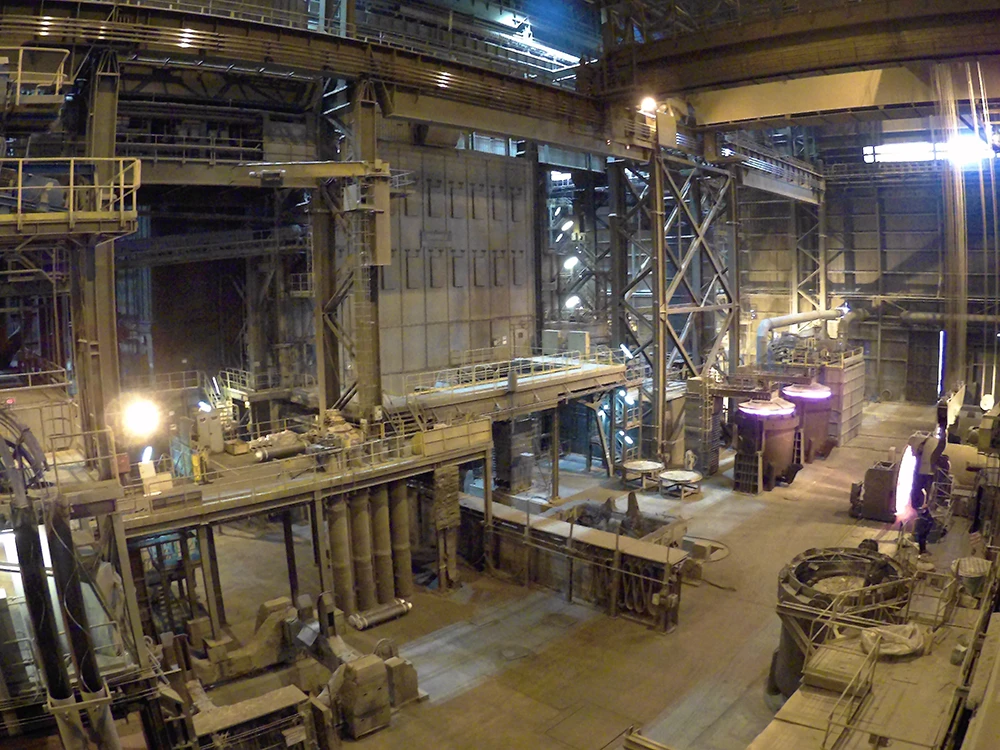
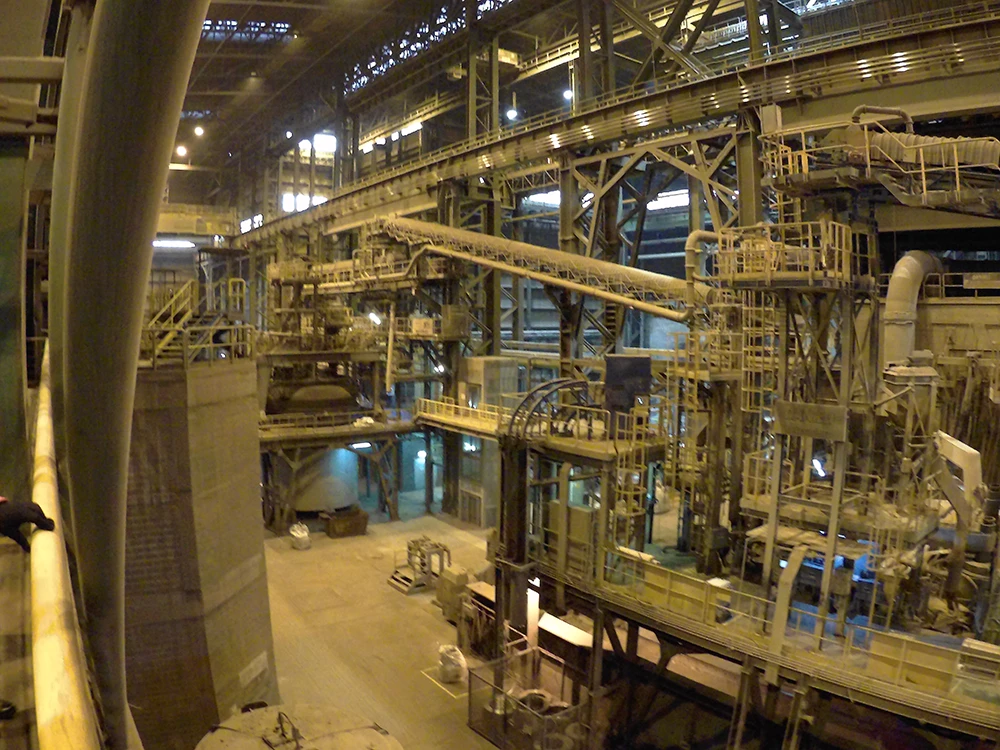
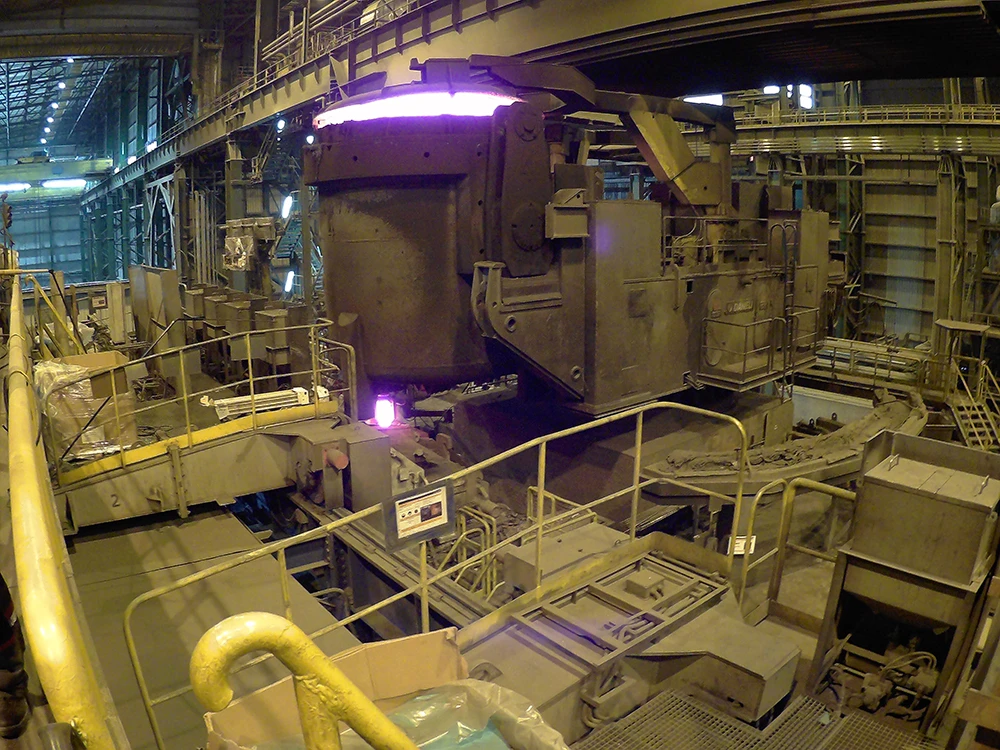
The main metallurgical equipment is located in the smelting shop. This is where the electric furnace is located, in which scrap metal is melted. The furnace is enclosed by a special noise-reducing structure, which is informally referred to as a “doghouse” at the plant. It reduces noise levels and at the same time protects the shop floor from sparks during smelting.
The molten metal is poured into steel ladles—large containers designed to transport liquid steel. The ladle is then placed on a ladle furnace. In this system, the metal continues to be refined: electrodes are lowered through the lid, and the melting and refining process continues in the ladle.
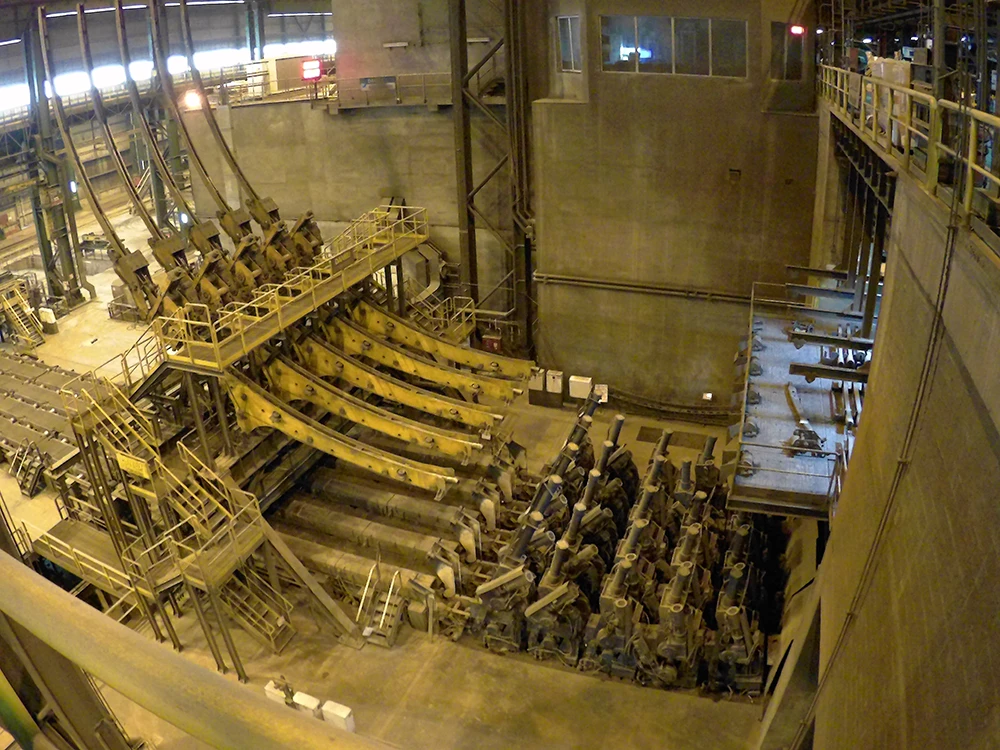
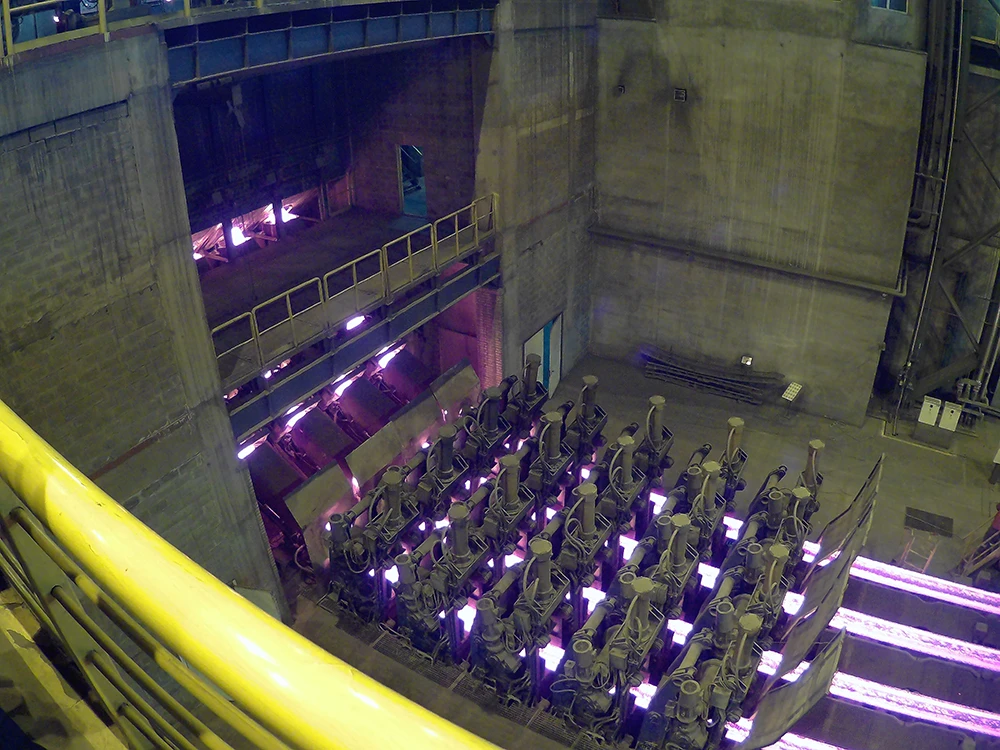
After that, the steel is sent to a continuous casting machine. The plant uses a five-strand machine, which allows five round billets to be formed simultaneously. The diameter of the billets produced varies from approximately 150 to 470 millimeters.
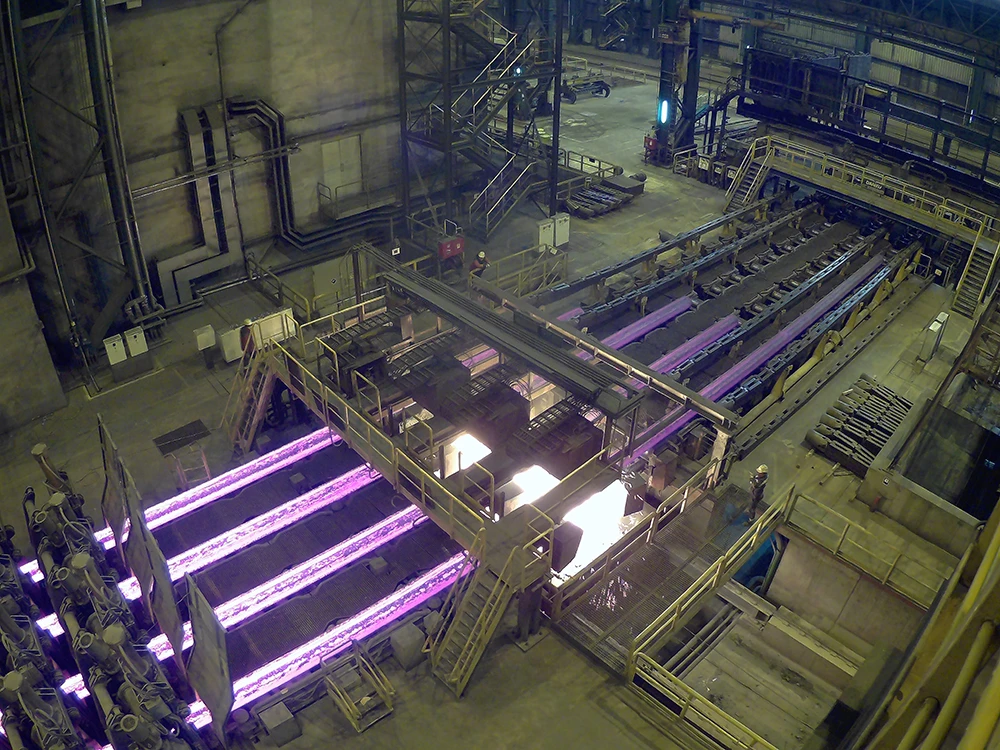
The metal undergoes several stages of cooling. First, a solid shell forms in the crystallizer. Then the billet passes through a secondary cooling zone, where it is sprayed with a water-air mixture. By the time it leaves this zone, the metal has completely solidified. Next, the continuous billet is sent to a gas cutting machine, where it is cut into sections ranging from six to twelve meters in length.
Smelters
One of the melting tanks
View of the shield - doghouse
The second half of the workshop
Cooling of metal workpieces
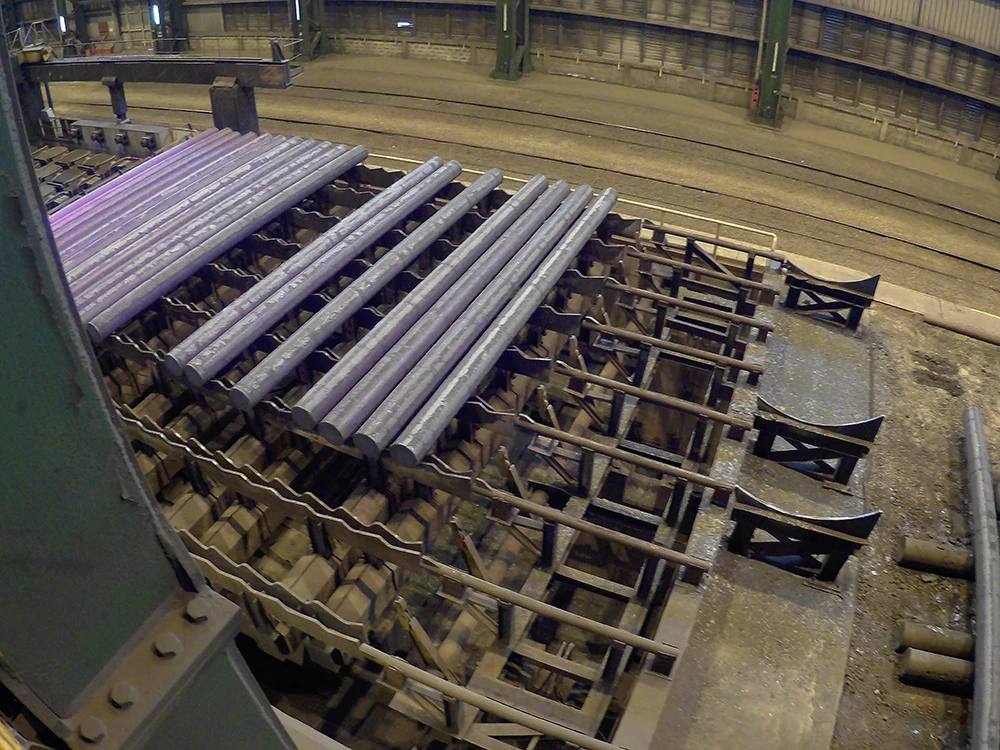
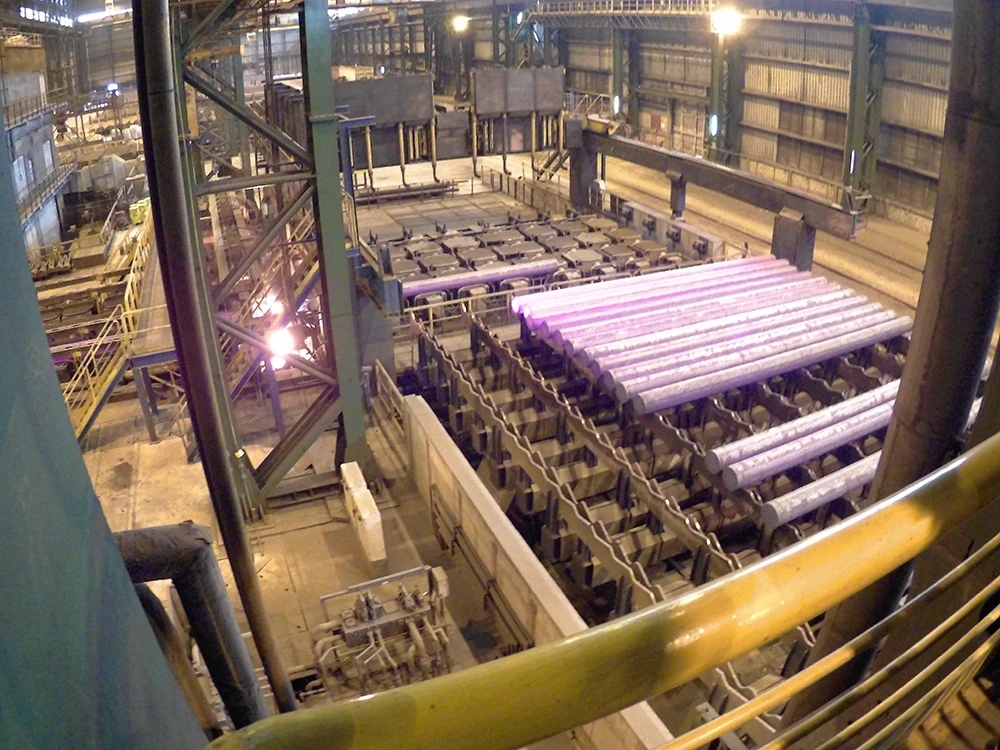
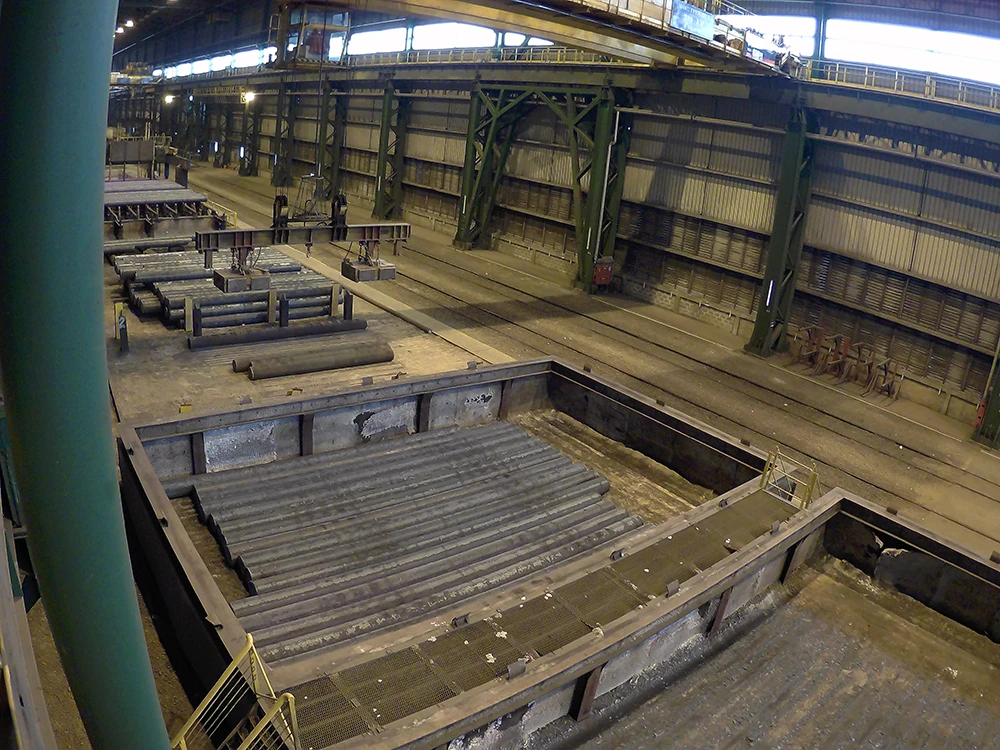
The next stage is cooling on a walking beam unit. The billets are gradually moved along a system of support ribs and gradually cooled to a temperature at which they can be safely transported and stored. At the end of the line, pushers drop the metal onto a storage table.
Preparing the installation for receiving workpieces
Molten metal is prepared for extrusion
Hot billets
Cutting of blanks
Spare parts warehouse
Practically finished products
Cooling blanks
Cameras for smooth cooling
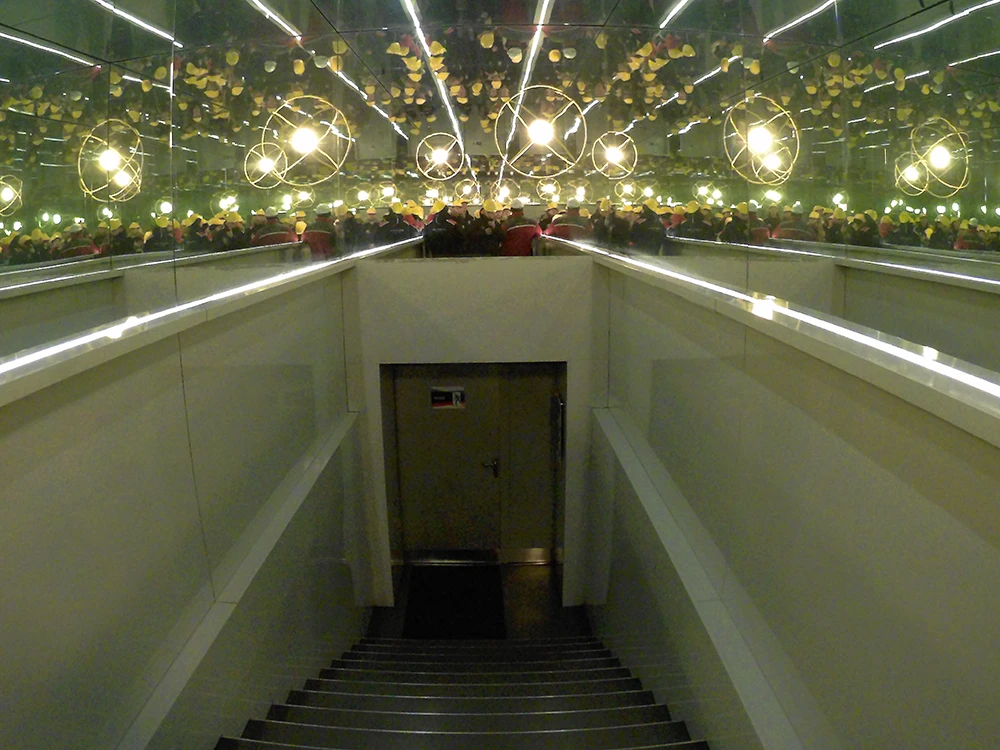
Your bridge of reflection
The final part of the tour takes you through another art installation created by the same artist. The installation is called “Your Bridge of Reflection.” Most of the company’s employees pass through it every day, moving from one part of the factory to another. The structure is designed so that the perspective and lighting change as you move across the bridge.
For school groups, this part of the tour is usually one of the most memorable. After the noisy workshops and heavy industrial equipment, the art object space is perceived completely differently — as a short pause inside a large production complex. It is here that the tour of the plant gradually comes to an end, leaving a general impression of how new steel is created from scrap metal and electrical energy.
MATERIAL IS MOVEMENT Olafur Eliasson, 2012
The installation, set up in the main production hall of the factory, consists of several circular and elliptical discs made of yellow reflective glass. The lighting placed in the space between the discs and the wall creates a soft glow around the circumference of the disc. Starting with a perfect circle and gradually transforming into elongated ellipses, this two-dimensional composition creates the illusion of the disc rotating in space.
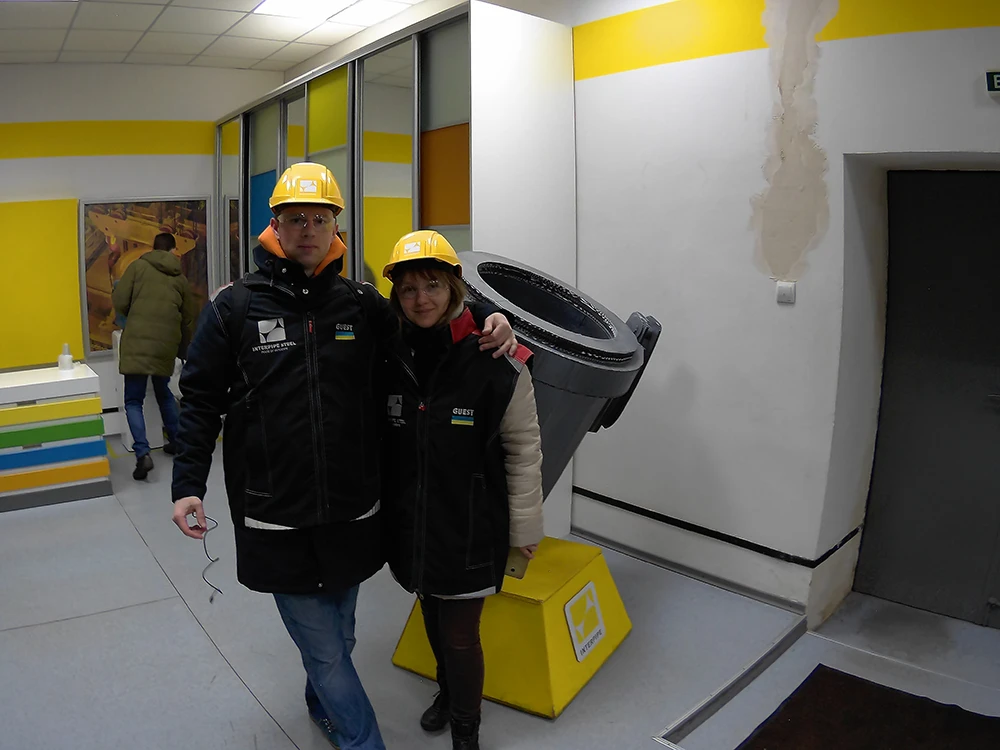
Interpipe employees
Installation by Olafur Eliasson
Epilogue
This tour took place long before Russia’s full-scale invasion of Ukraine. At that time, the plant was operating in normal production mode: smelting furnaces were running on schedule, continuous casting lines were operating almost non-stop, and storage areas were regularly replenished with new batches of scrap metal and ferroalloys.
Today, the situation looks different. After the war began, Ukrainian industry faced serious problems in its energy infrastructure. Large-scale strikes on energy facilities led to instability in the power system, and for energy-intensive metallurgical enterprises, this means direct restrictions on production.