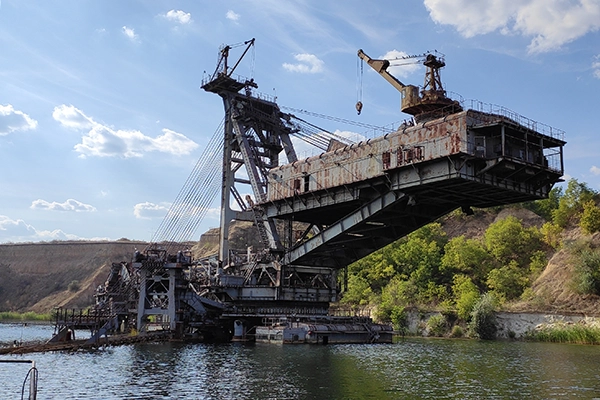
Каолиновый карьер
Kaolin quarry in the Vinnytsia region

The Glukhovets Kaolin Quarry—the White Mountains of Vinnytsia Oblast

I recently had the chance to take part in a “quarry tour”—let’s put it that way—and in one go, we visited four quarries closest to the Kyiv region. For the most part, these are already flooded sites that don’t stand out for anything in particular except for their clear water and their origins. If you didn’t know better, you might think they were just lakes. But one of them turned out to be the real highlight of the entire trip—a kaolin quarry, and an active one at that.

So, this kaolin quarry is located in the Vinnytsia region, near the village of Hlukhovtsy. Kaolin—a white clay that at first glance might look like ordinary soft, light-colored soil—is mined here. But in reality, it’s a valuable industrial raw material, essential for the production of ceramics and hygiene products, and it’s also used in medicine and cosmetology.

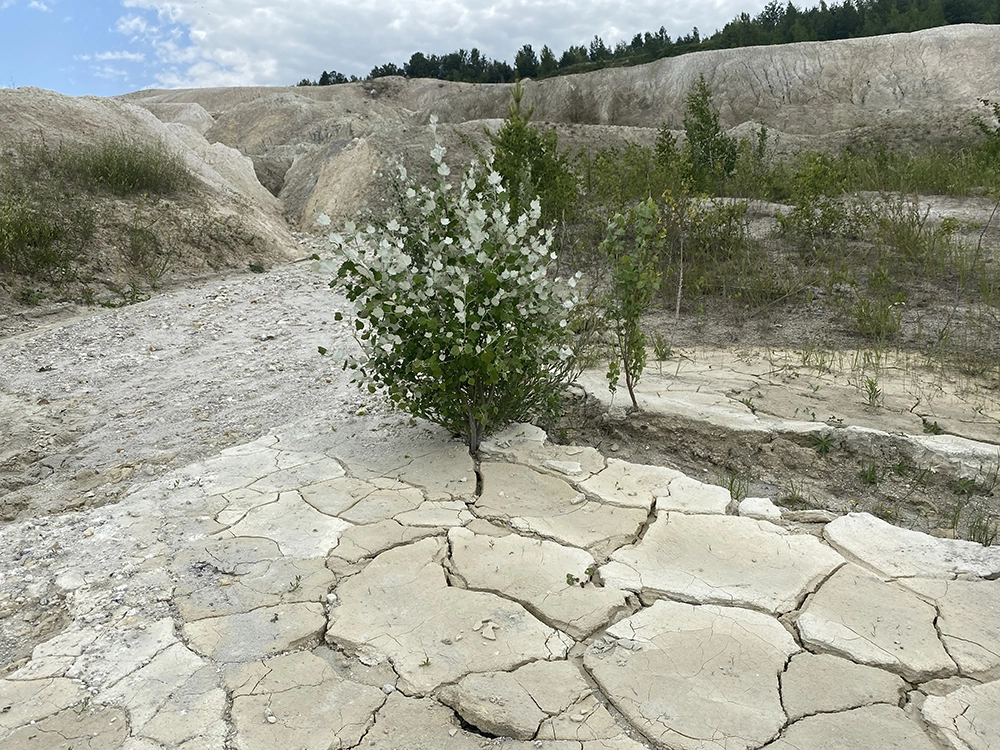
Куст в каолиновом карьере
A bush in a kaolin quarry
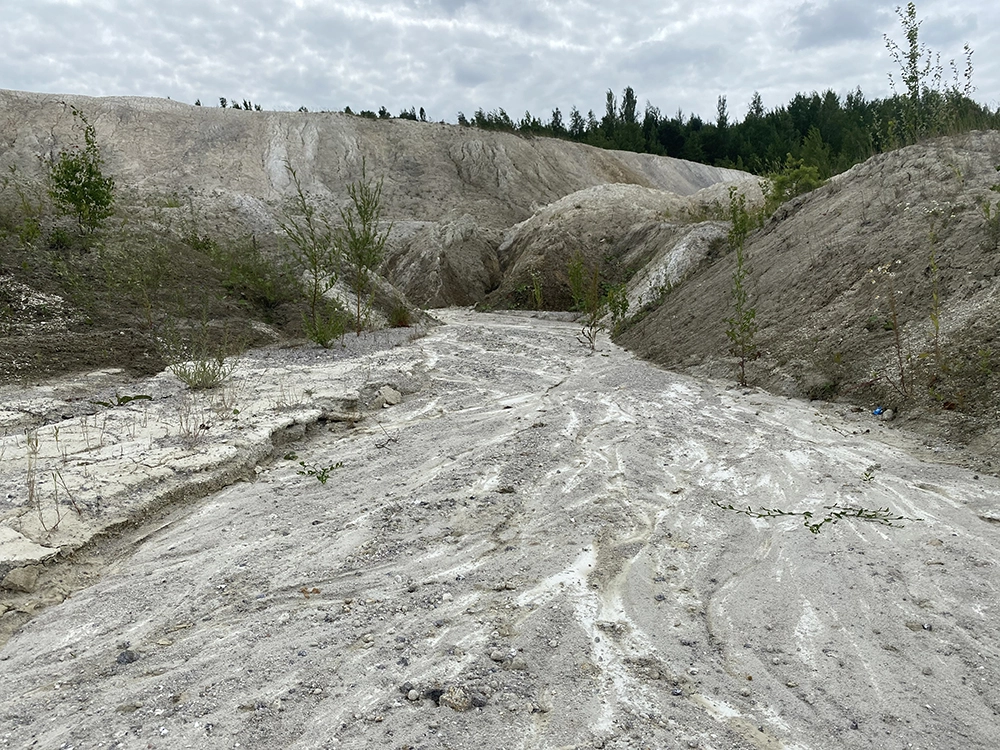
Вымытый каолин дождем
Kaolin, washed by the rain

The Glukhovets deposit is considered one of the largest and oldest kaolin deposits in Ukraine. According to publicly available sources, it has been in operation since 1901, meaning that commercial mining has been ongoing there for more than 120 years. In the 1970s and early 1980s, up to 1.05–1.2 million metric tons of raw kaolin were mined annually at the deposit.

Where is the Glukhovets kaolin quarry located?

Glukhovtsy is located in the Vinnytsia Oblast, roughly halfway between Vinnytsia and Kazatin. For most people, this place became famous not because of its industry, but thanks to photographs: the white slopes, the light-colored surface of the quarry, and the water’s unusual hue quickly turn such locations into popular destinations for trips and photo shoots.

But it’s important to understand: this isn’t just a “beautiful industrial area” or a tourist sand quarry. The Hlukhivtsi quarry is associated with active mineral extraction. The kaolin industry has been operating in the Hlukhivtsi area for over a century, and the deposit itself is among Ukraine’s most significant raw material sites.

AKW Ukrainian Kaolin Company is a modern mining facility based on one of the largest kaolin deposits in Eastern Europe. The German Quarzwerke Group also notes that kaolin has been mined in Hlukhovtsy for over 100 years, and since 2007, Amberger Kaolinwerke has been operating there through AKW Ukrainian Kaolin Company and developing the site as a major European kaolin hub.

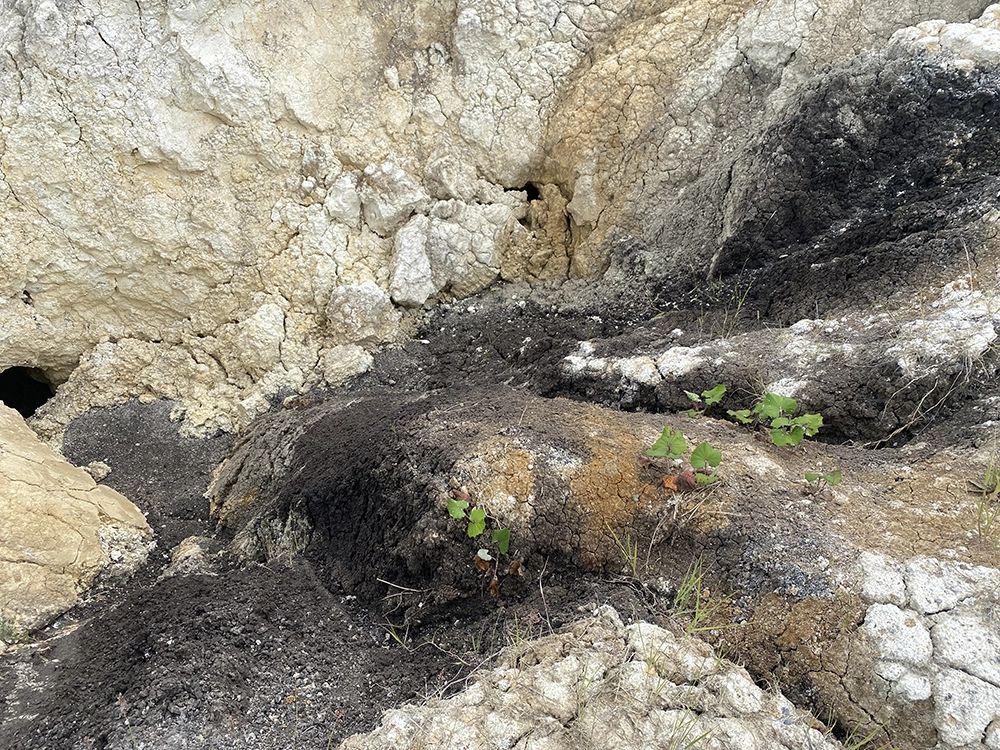
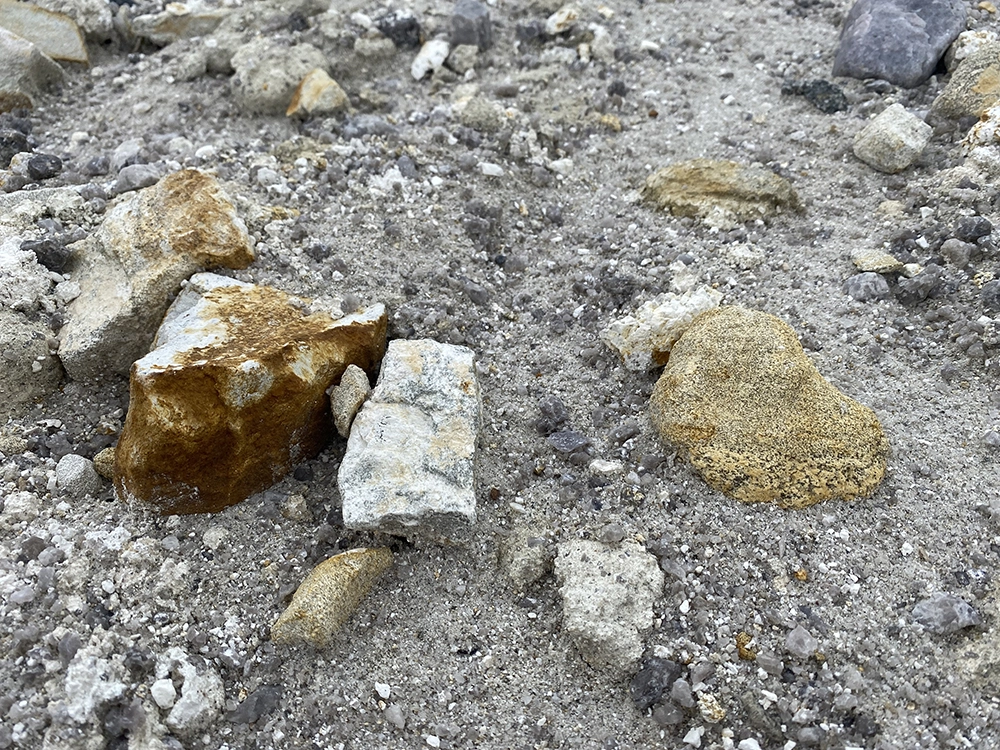
Каолиновый карьер — смесь горных пород
Kaolin quarry — a mixture of rocks
Глина каолинового карьера
Clay from a kaolin quarry

First impressions: white earth, blue water, and the scale of the fishery

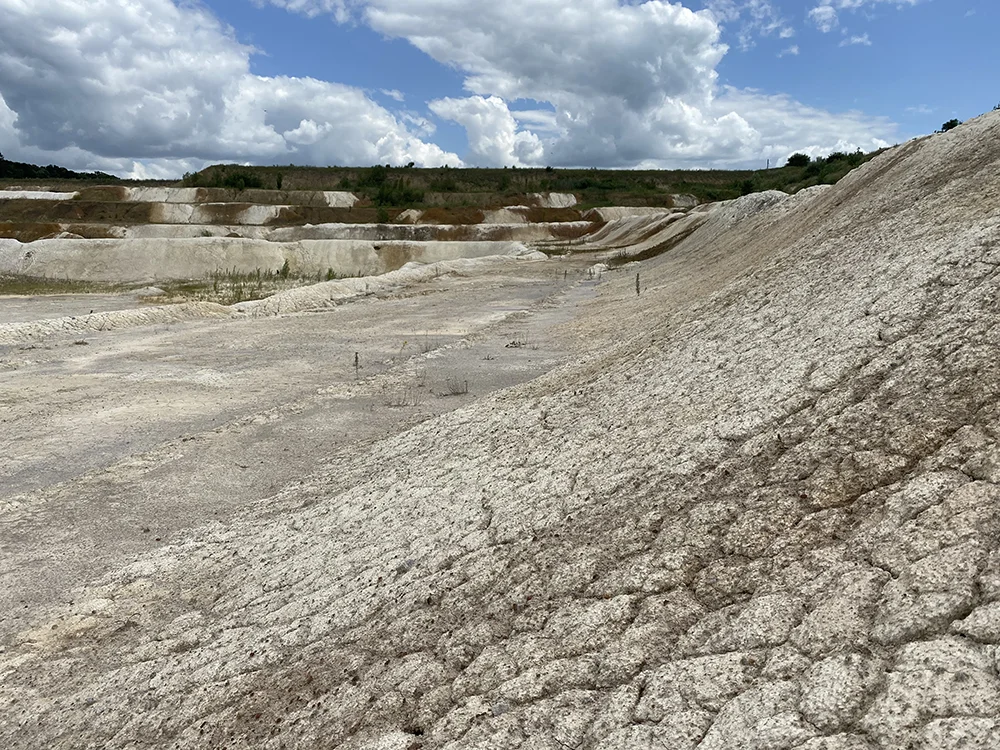
The first thing that catches your eye at the quarry is the color. In the Ukrainian landscape, we’re used to black soil, gray loam, yellow sand, and reddish clay. But here, the earth is almost white. In some places it looks like chalk, in others like light-colored sand, and in still others like damp, dense clay.

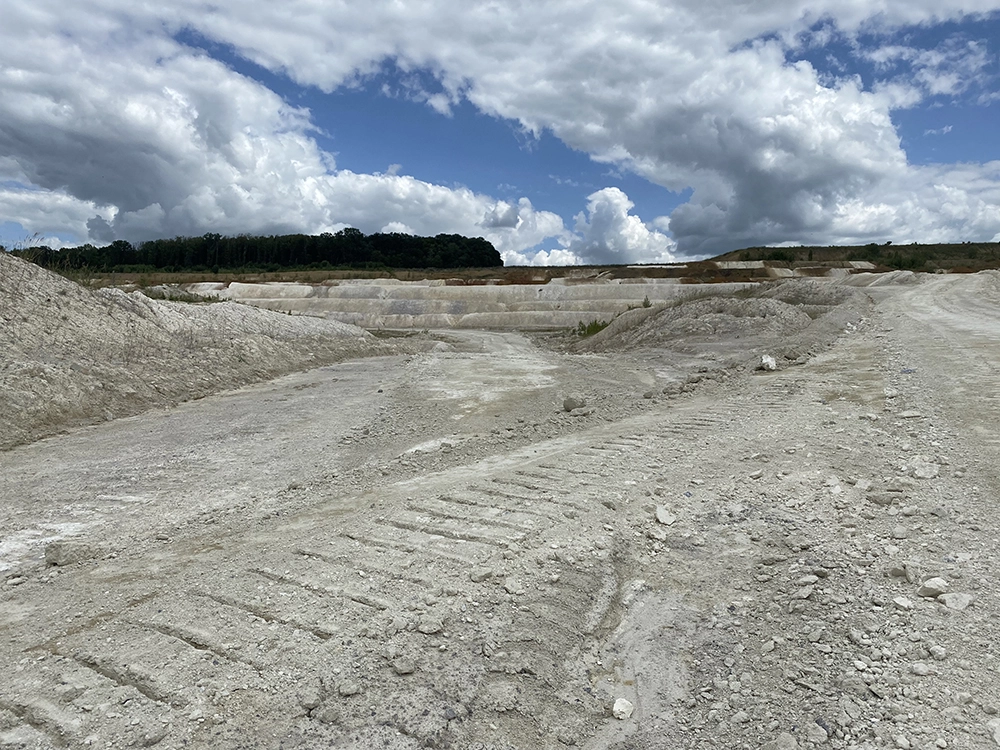
The second thing that catches your eye is the scale. The quarry doesn’t look like a small hole in the ground with a lake at the bottom, but rather like a huge terraced excavation that even the moving excavators can’t fully cover. Even when viewed only from the edge, several levels of mining are clearly visible: the upper terraces, deeper sections, spoil heaps, service roads, and areas where machinery has operated or continues to operate.

It’s hard to grasp the scale of such places just by looking at them. While standing at the edge, it seems as though you could quickly walk to the opposite side. But as soon as you notice the small tracks left by machinery, the roads on the terraces, or the trees on the distant slope—the scale becomes clearer. These aren’t just “white mountains.” This is an industrial landscape that has been shaped over decades.

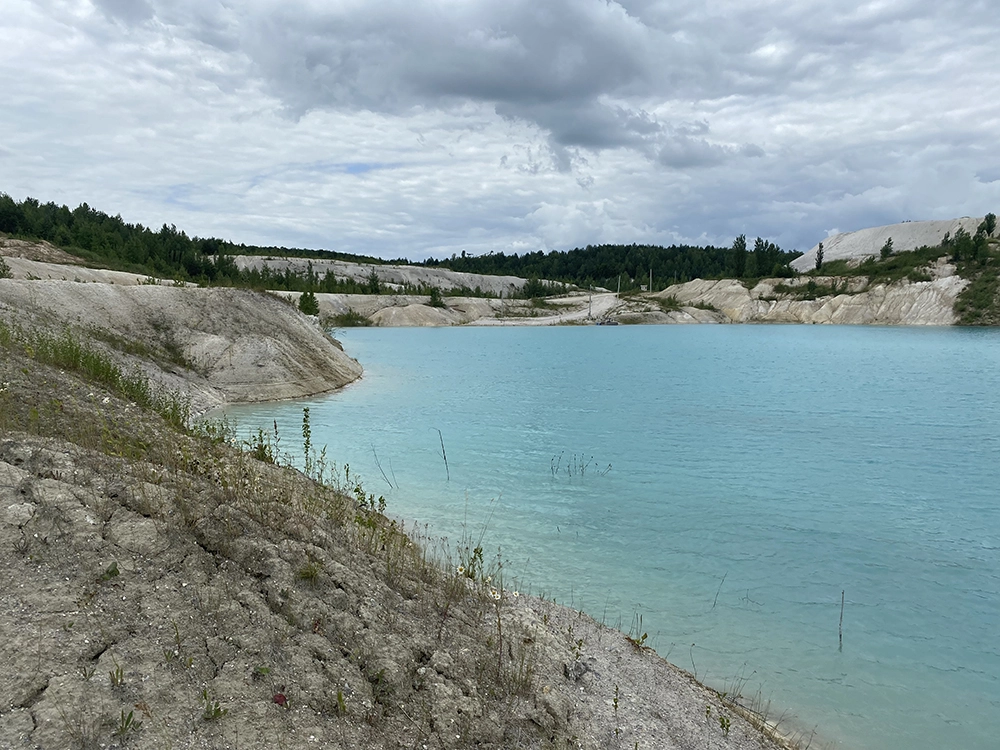
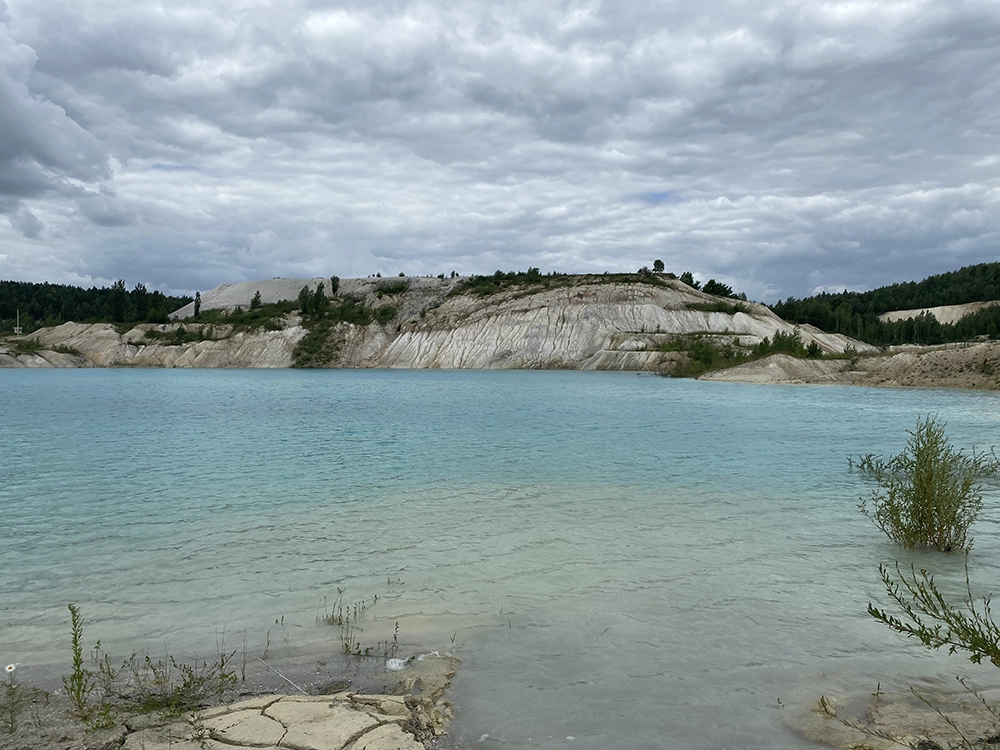
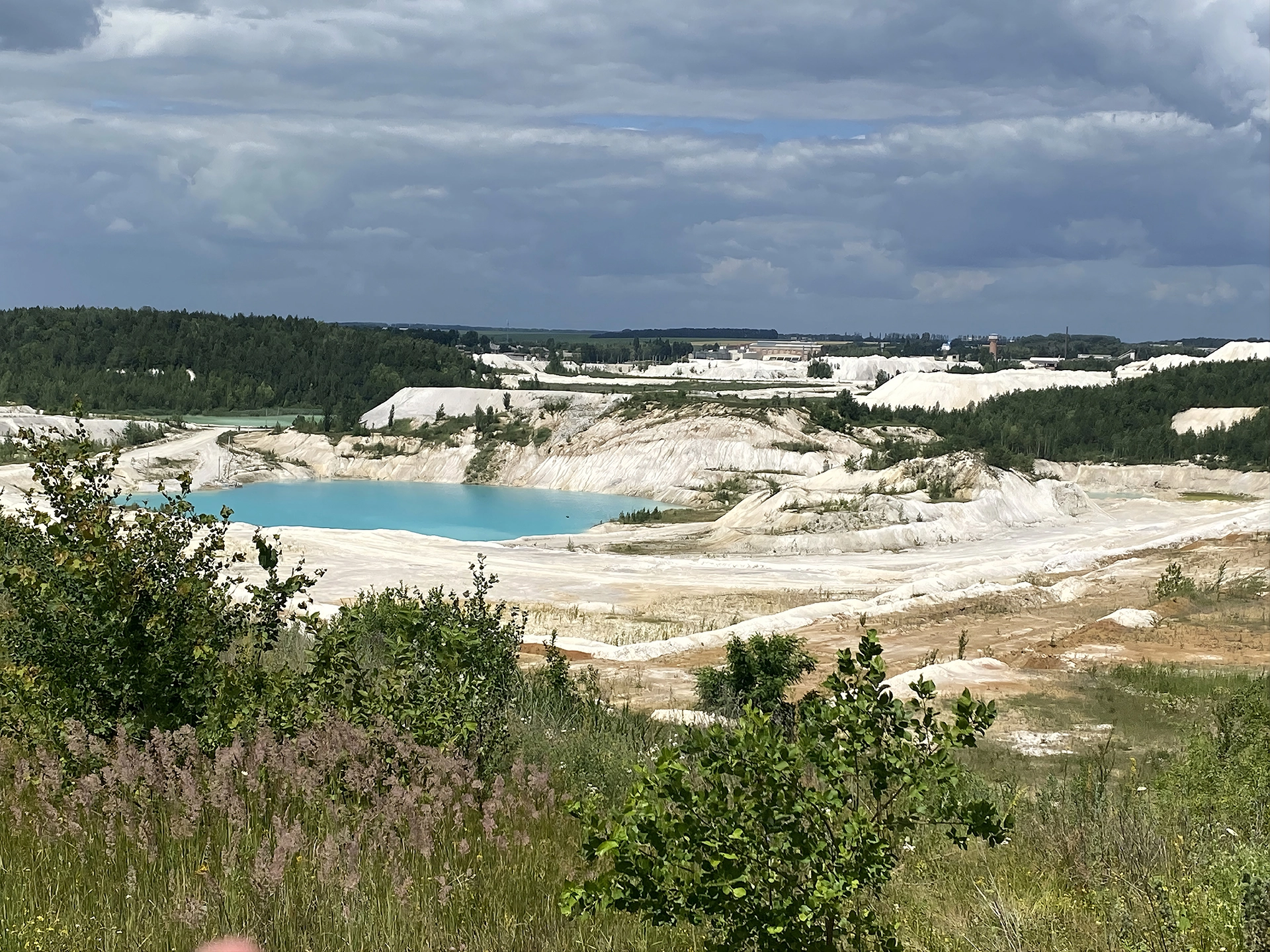
Каолиновое озеро
Kaolin Lake
Озеро в каолиновом карьере
A lake in a kaolin quarry

What is kaolin?

Kaolin is a white clay whose main mineral is kaolinite. Kaolinite is formed as a result of the chemical weathering of aluminosilicate minerals, primarily feldspars, which are found in granites and other crystalline rocks.

Simply put, when ancient rocks are gradually broken down over time by water, climate, and chemical processes, some of the minerals are gradually transformed. Certain elements are leached out of feldspars and similar minerals, while others remain, ultimately forming a soft, light-colored clay-like substance—kaolin.

Kaolin is valued for several properties:

  • It is light-colored or nearly white;
  • it is malleable;
  • it is finely divided;
  • it is resistant to high temperatures;
  • it is fairly chemically inert;
  • it works well both as a filler and as a raw material for ceramics.

That is precisely why kaolin is not simply “white clay.” It is an industrial material whose quality is assessed based on its color, whiteness after firing, impurity content, plasticity, grain size distribution, moisture content, ability to be enriched, and behavior in various manufacturing processes.

How was the Glukhovets field formed?

The Glukhovets deposit is classified as a primary kaolin deposit. This means that the kaolin here is associated with the site where the source rocks were weathered, rather than having been transported a long distance by water and redeposited elsewhere.

Geologically speaking, such deposits are often associated with the weathering crust of ancient crystalline rocks. On the Ukrainian Shield, which contains abundant granites, gneisses, and other ancient rocks, conditions for the formation of kaolins were particularly favorable. In published geological studies, the Glukhovets deposit is specifically described as a primary kaolin deposit.

In simple terms, a cross-section of such a deposit can be represented as follows:

  • Modern soils, loam, and loose sediments lie on top;
  • below these are clay and sandy-clay layers;
  • further down is a kaolin zone;
  • beneath that are weathered granites, gneisses, and other crystalline rocks.

At a quarry, this is especially fascinating to see with your own eyes. The white walls and ledges aren’t just a “cut through the ground.” They are exposed weathered crust that you usually can’t see outside of a quarry. Where the average person sees a beautiful white slope, a geologist sees the result of long-term processes of rock breakdown and transformation.

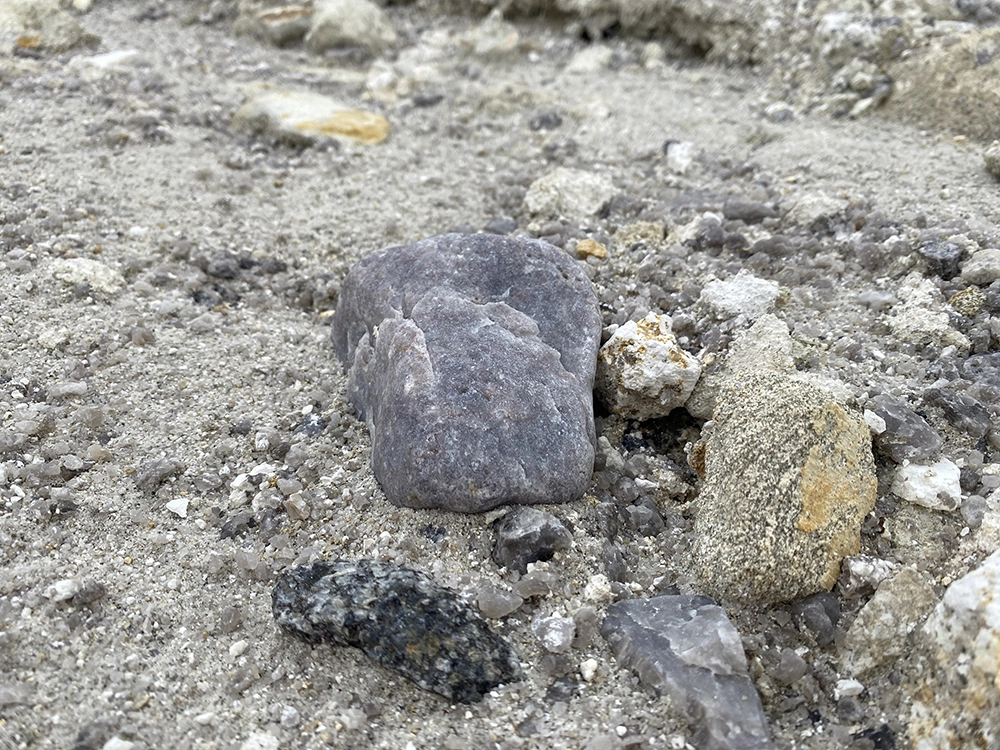
Другая порода в каолиновом карьере
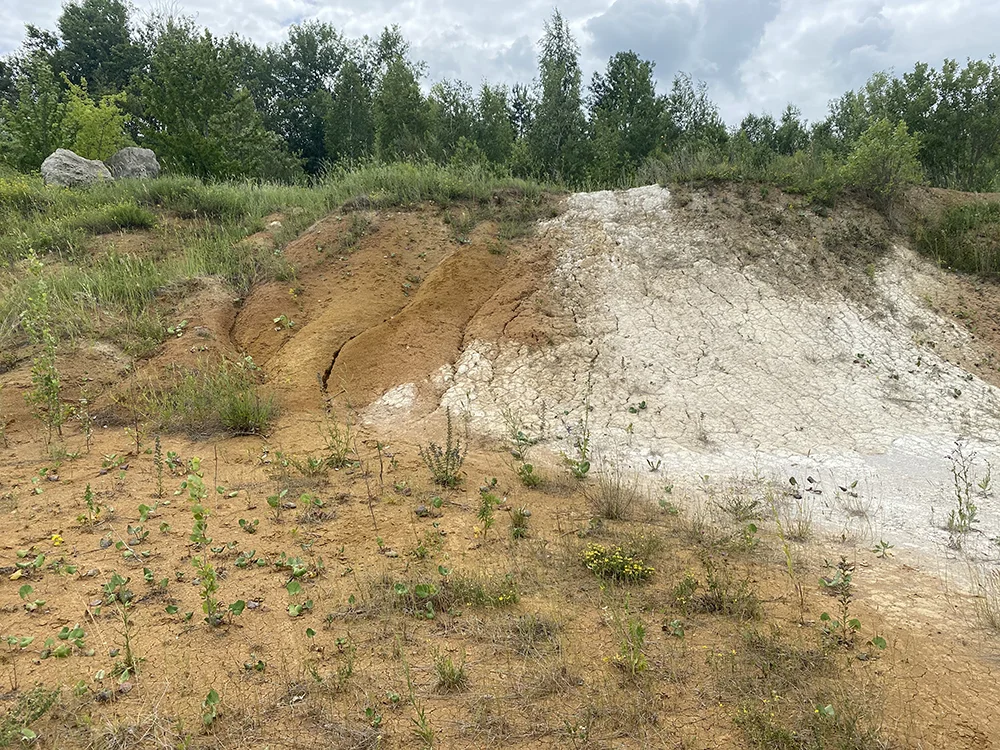
Another type of rock in the kaolin quarry
Другая порода в каолиновом карьере
Another type of rock in the kaolin quarry

Mining History: More Than 120 Years of Industrial Operations

The history of the Glukhovets kaolin deposit dates back to the pre-revolutionary period. Public sources indicate that industrial mining of the deposit has been underway since 1901.

This is an important date. It means that the quarry and its associated production have spanned several historical eras:

  • the late period of the Russian Empire;
  • the revolution and the civil war;
    the industrialization of the USSR;
  • World War II;
  • postwar reconstruction;
  • the late Soviet period;
  • independent Ukraine;
  • contemporary modernization and integration into European supply chains for raw materials.

Kaolin has always been important to industry. During the Soviet era, Ukraine was one of the key regions for kaolin mining and processing. According to a survey of Ukraine’s mineral resources, Ukraine met about 70% of the USSR’s kaolin needs during the Soviet period.

In the 1970s and early 1980s, the Hlukhovets deposit yielded up to 1.05–1.2 million metric tons of raw kaolin per year. These are enormous volumes, which clearly illustrate the scale of the quarry: over decades of mining, millions of metric tons of rock were extracted from this site.

Каолиновый карьер
Kaolin Quarry
Следы работы техники
Signs of machinery use

Why is kaolin white, and why does the water in the quarry appear blue?

The whiteness of kaolin is due to its mineral composition. Pure kaolinite is light in color on its own. The fewer iron-bearing, organic, and other coloring impurities in the raw material, the whiter the material.

However, natural kaolin is rarely perfectly pure. It may contain quartz, micas, feldspars, iron oxides, titanium minerals, and other impurities. These impurities are what affect the shade: in some places the clay is white, in others cream-colored, and in still others yellowish or grayish.

Therefore, in the industry, not only extraction but also processing is important. The raw material must be brought up to the required specifications: sand must be separated, some impurities removed, and a stable fraction with the required whiteness obtained.

One of the most photogenic features of the Glukhovets quarry is the water. Against the backdrop of the white slopes, it often appears blue or turquoise. This does not necessarily mean that there is anything “exotic” in the water. This effect can result from a combination of several factors:

  • A light-colored bottom and white banks reflect more light;
  • fine mineral particles in suspension scatter light;
  • water in quarries often has an unusual hue due to minerals and clay particles;
    depth and the angle of light enhance the blue color;
  • in photos, the color also depends on the weather, time of day, and image processing.

Visually, it looks beautiful, but it’s important to remember: a quarry pond is not a designated swimming area. The bottom can drop off sharply, the banks may be unstable, and the water’s composition and the condition of the soil aren’t always obvious. Therefore, it’s best to view such a quarry as an industrial and geological site rather than a beach. My attempts to enter the water showed that the clay is very loose, and I immediately started to sink.

Труба в каолиновом карьере
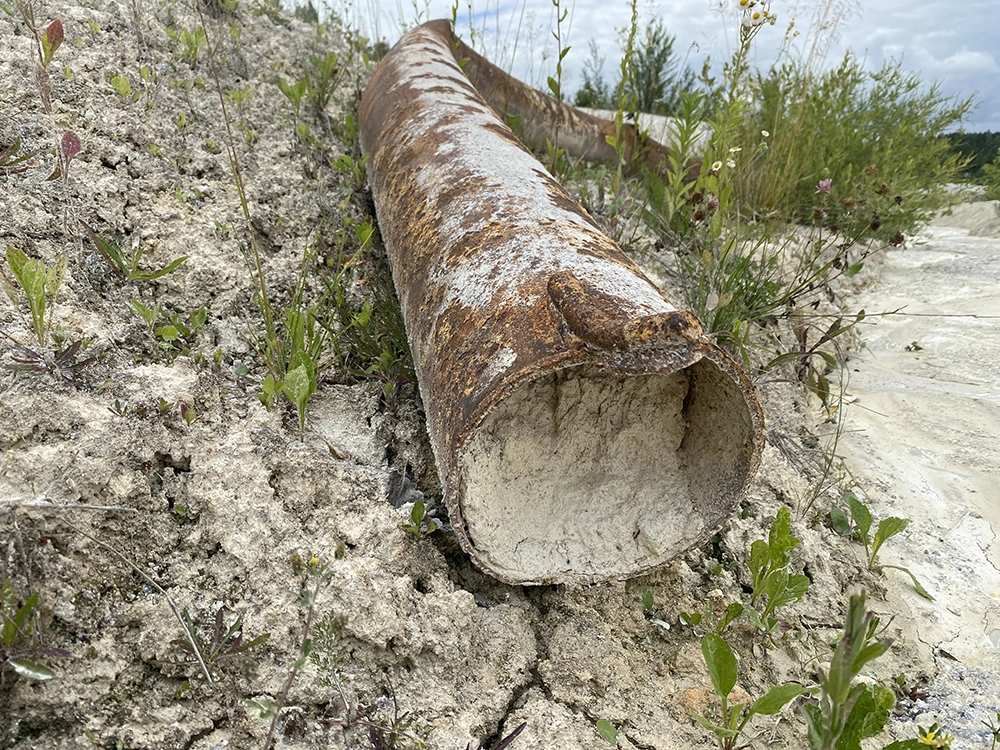
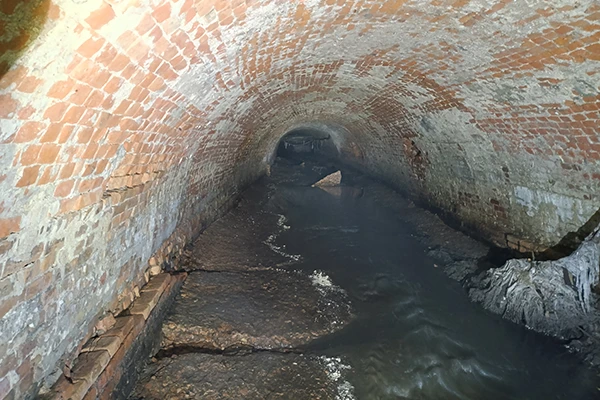
A pipe in a kaolin quarry
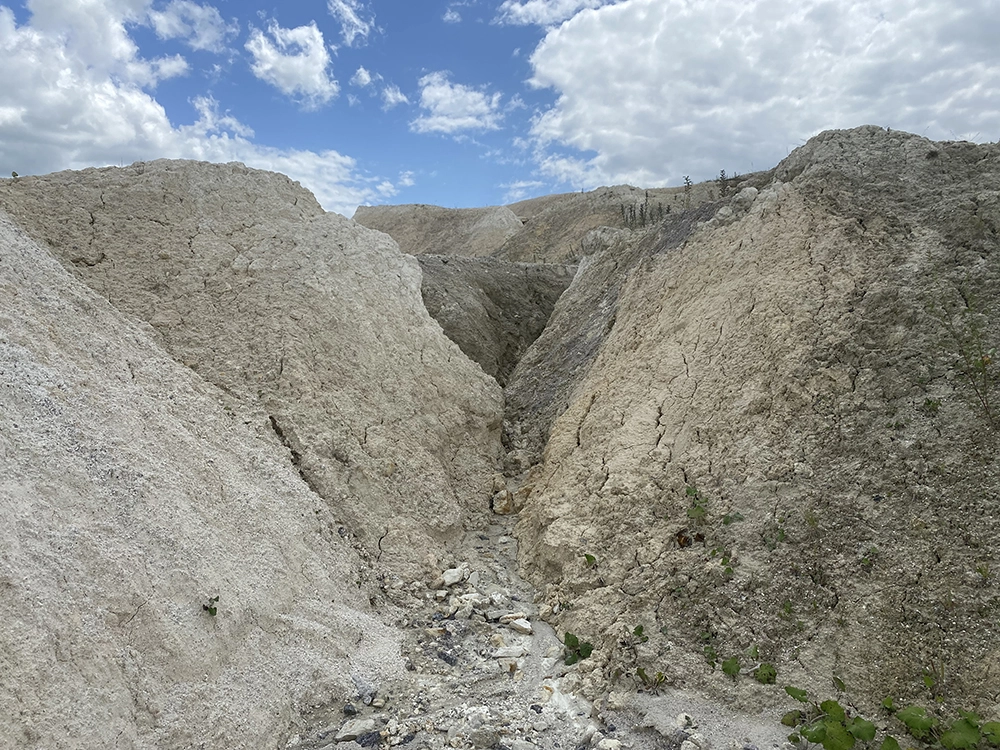
Дождевая вода размывает и наполняет карьер
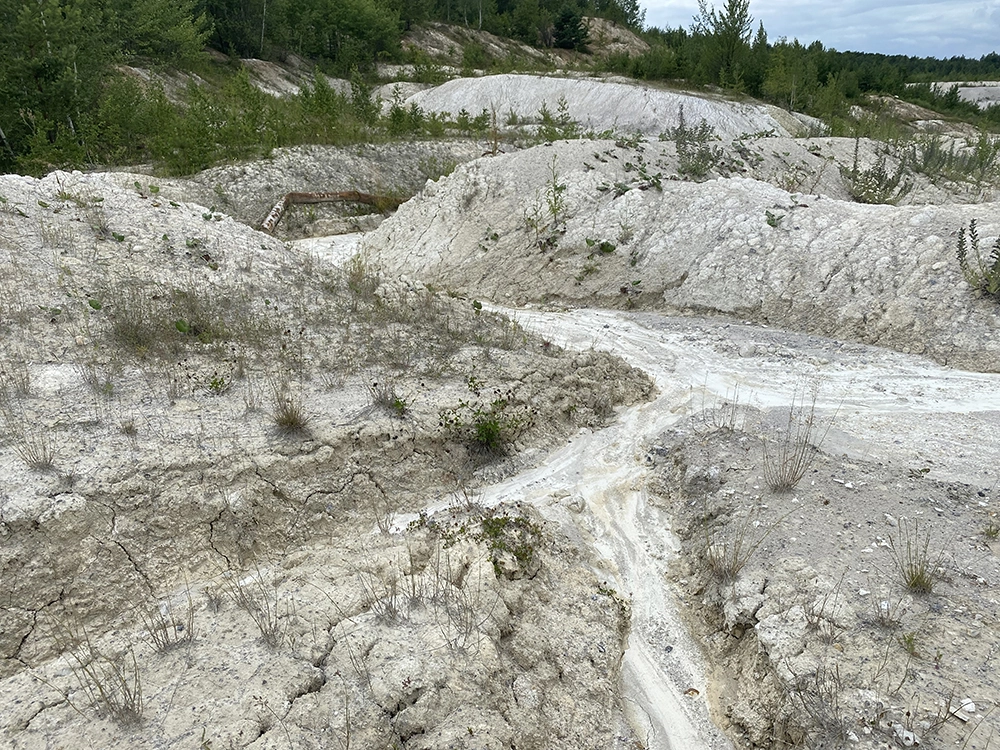
Rainwater erodes and fills the quarry

What is kaolin clay used for

The main question that arises after visiting such a place is: why mine so much white clay in the first place?

The answer is simple: kaolin is a versatile industrial raw material. It is used wherever whiteness, plasticity, fineness, heat resistance, chemical stability, or filler properties are required.

The official website of AKW Ukrainian Kaolin Company lists the application markets for kaolin and quartz sand: ceramics, sanitary ware, tiles, frit, glaze, engobe, tableware, paper, construction, chemicals, polymers, fiberglass, pottery, and agricultural additives.

The International Association of Industrial Minerals also notes that kaolin’s whiteness and plasticity make it valuable as a filler, pigment, ceramic raw material, and component in refractories, cement, catalysts, and fiberglass.

Production Volumes and Reserves

According to publicly available data, the Glukhovets deposit has been in production since 1901. In the 1970s and early 1980s, annual production of raw kaolin reached 1.05–1.2 million metric tons.

Publications on Ukraine’s kaolin reserves indicate that the reserves of the Glukhovets deposit amount to approximately 107.894 million metric tons.

To understand the scale, consider this: if a company extracts hundreds of thousands of metric tons or more than a million metric tons of raw material per year, the quarry inevitably becomes a massive landform. It is no longer a local pit but an industrial landscape that endures for decades.

Ukraine as a whole is one of the major players in the kaolin market. According to a survey of Ukraine’s mineral resources, the country occupies a prominent place in global production of kaolin and ball clay, and the deposits themselves are mainly located in the Ukrainian Shield.
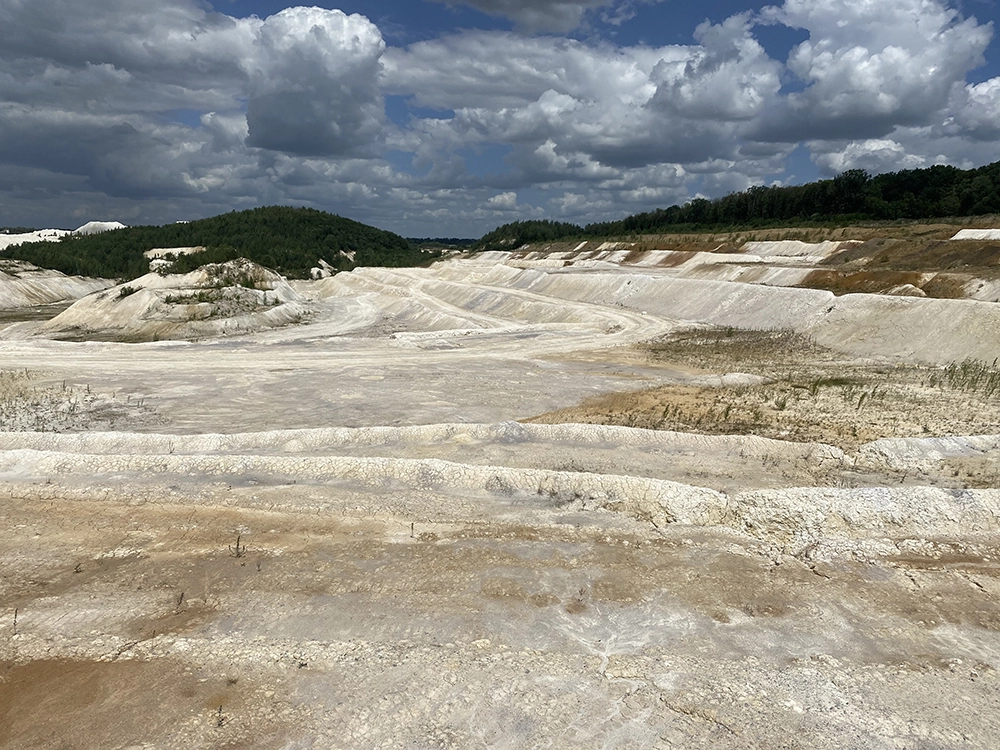
Внутри карьера
Inside the quarry
Эрозия породы
Rock Erosion

I recommend reading this